Good morning.
I can still recall, as a child, watching the US space shuttle lift off from the Kennedy Space Center in Florida. For a moment, it blazed across the blue sky like a shooting star.
That flight over Florida partly sparked my decision to study materials science engineering at a university in North Carolina.
In a world that often feels as though it’s spinning out of control, Nasa’s Artemis moon mission offers a rare moment of reassurance and more personally, dreams that we are greater than the horrors inflicted onto us by the likes of Donald Trump, Vladimir Putin, Benjamin Netanyahu, the regime in Iran and the utter chaos and violence across Sudan.
Last week I was in Dnipro, a sprawling Ukrainian city straddling the volatile Donbas frontline. Fleeting moments of peace pierced the tension even as air raid sirens warned of incoming Russian fire, most likely drones.
Children laughed and played in Taras Shevchenko Park, their games unfolding against an observation platform on the Dnieper river banks.
At the time, the Artemis II was half way towards the moon on a 10-day mission to test the Orion spacecraft and space launch systems for future lunar surface landings.
"Trust us you look amazing, you look beautiful, and from up here you also look like one thing...you're all one people," said pilot Victor Glover.
The Orion crew is returning to Earth after reaching the moon's far side, shattering records for the farthest human spaceflight.
Nasa is now eyeing a follow-up launch around 2027 and one I hope to witness as well.
Nikolaj Nielsen - home affairs editor
What else you need to know
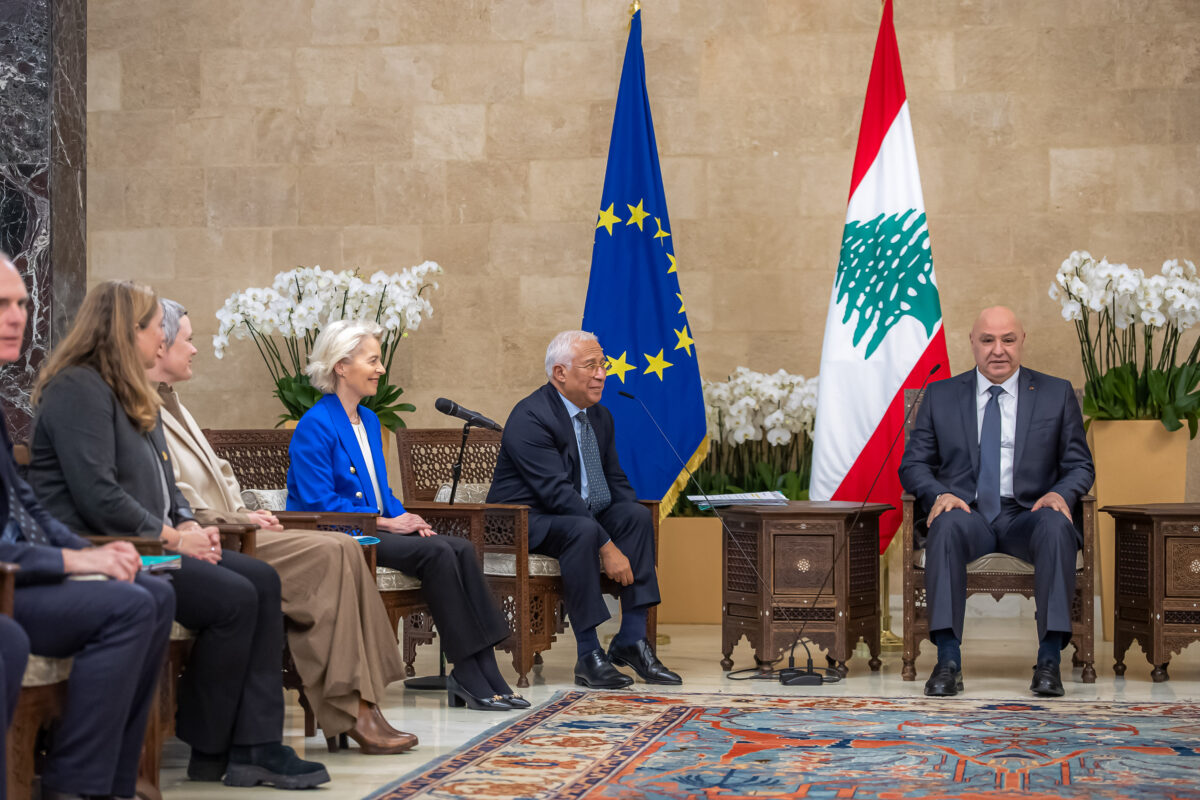
“Bodies on the ground. Blood everywhere … countless wounded adults and children” in Beirut after Israeli strikes, but its EU allies say Israel “blame game” would not help.
Millions of euros worth of EU subsidies and taxpayer money is fuelling the very market that leads to spying on journalists, activitists, politicians and people in the EU, and undermines our democracies.
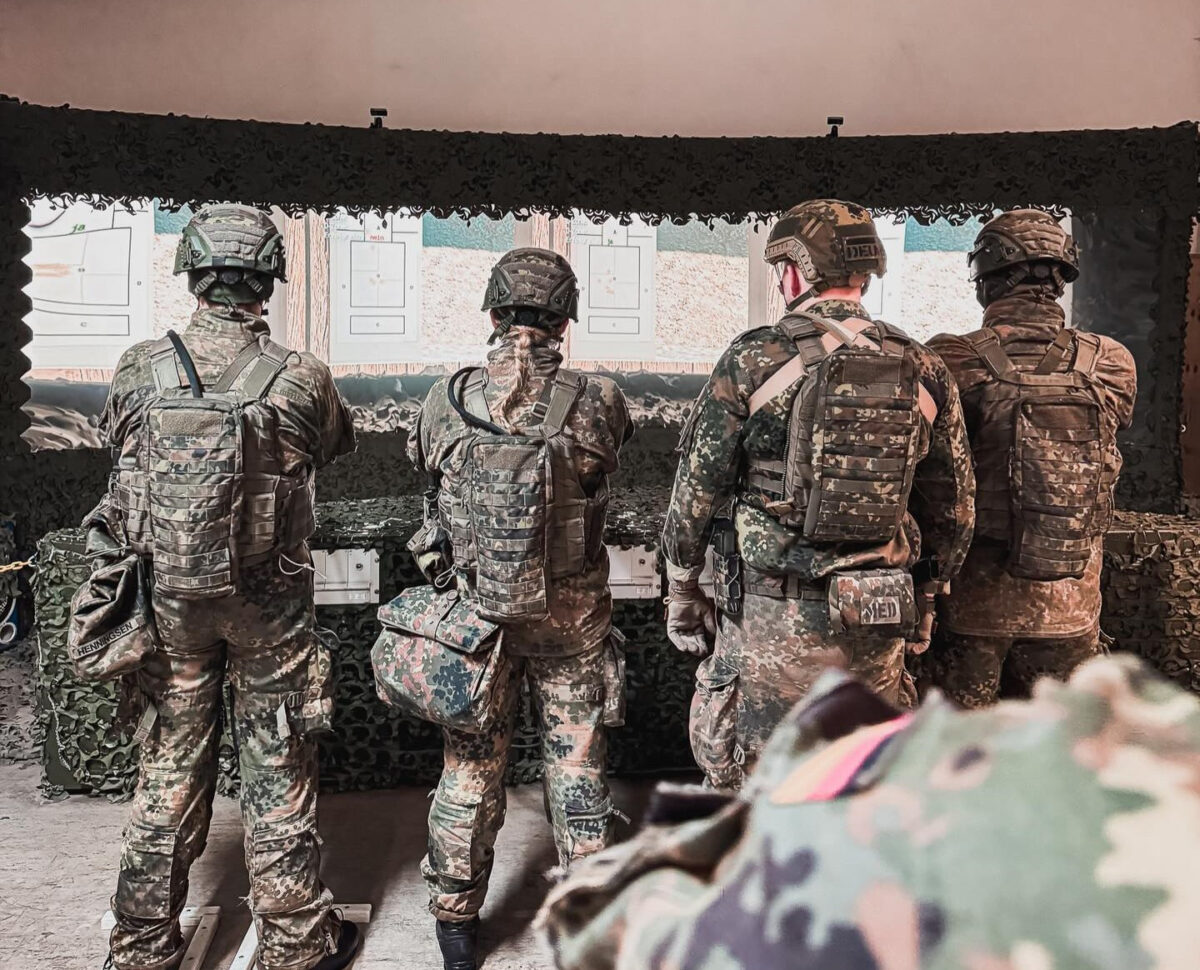
Germany reintroduced systematic military registration in January 2026. The controversial law mandates medical exams for young men and requires those aged 17–45 to seek permission for long-term stays abroad. Amidst public confusion and youth protests, the government is now working to amend the controversial travel approval process.
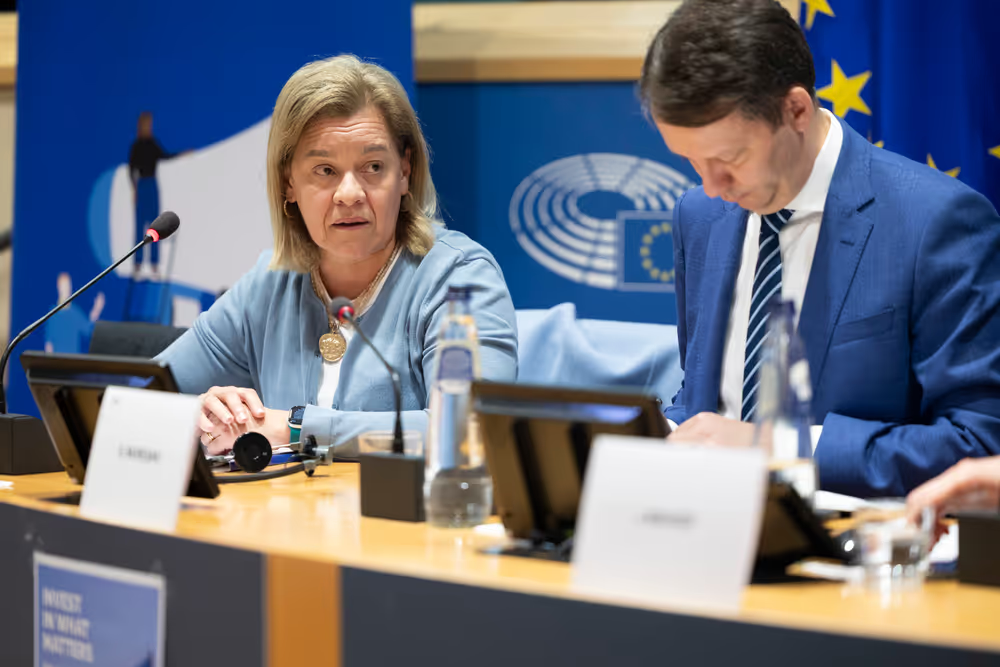
“We believe that technological giants are making a lot of good business in Europe, and also significant profits,” Siegfried Mureșan, a Romanian centre-right MEP, who is heading negotiations on the EU budget along with Portuguese S&D MEP Carla Tavares.
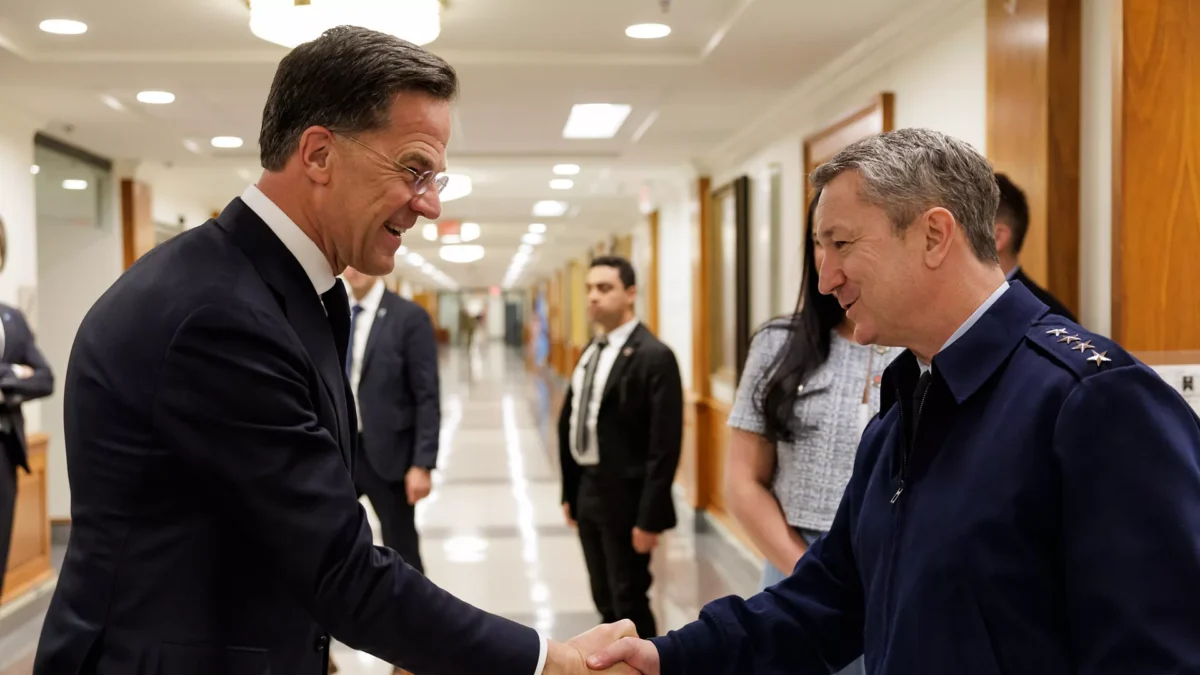
Nato chief Mark Rutte spent two hours in the White House and left without the usual press conference or photo opportunities, calling the talks with US president Donald Trump “very frank”.
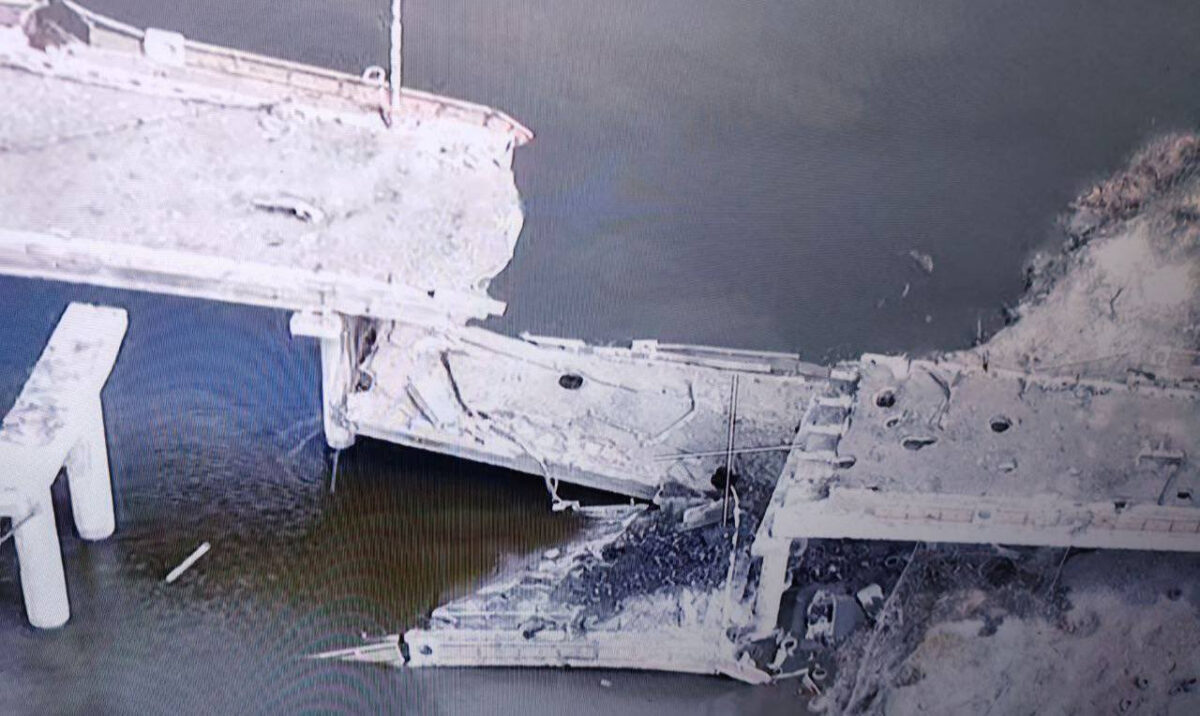
Russia’s 9 May military parade in Moscow might also be cancelled this year for fear of missile strikes, stopping Slovak leader Robert Fico’s plan to attend.
A ceasefire deal between the US and Iran has plunged Lebanon into deadly confusion. As Israel continues strikes despite the announcement, Europe’s diplomatic calls for restraint face a grim reality: an escalating conflict beyond Lebanon’s control and Netanyahu’s government largely ignoring international pressure.
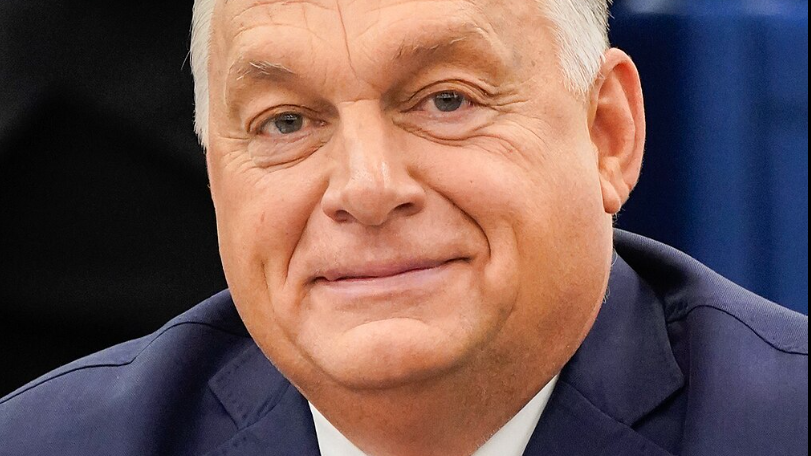
While Europe initially stayed silent on the ‘foreign interference’ accusations — coming from the US vice-president, himself campaigning in Budapest — several officials eventually pushed back at the sheer irony of the situation.
In case you missed it
“[Viktor Orbán] is deliberately looking for enemies in Ukraine, but Ukraine has never been an enemy to Hungary,” says Borys Filatov, the 54-year-old mayor of Dnipro, a. major industrial city some 100km from the war’s frontline.
While Europe is less dependent on oil and gas coming from the gulf than Asia, 40 percent of refined products, such as jet fuel and diesel, pass through the Straight of Hormuz.
Higher oil prices triggered by the war in Iran have boosted Russia’s finances. But now Russia is banning gasoline exports until late July, as Ukrainian strikes make fuel scarcer domestically – while murmurs in the EU suggest energy pain may drive them back to Russia. The question is: how long Kyiv’s allies will support a strategy that could also keep EU energy prices high?




Geen opmerkingen:
Een reactie posten