Good morning.
“Ding-Dong! The witch is dead, the wicked witch is dead!”, sang the munchkins in the 1938 film The Wizard of Oz – and, for all the bad news in the world lately, I felt equally happy when I saw last night that Hungarian prime minister Viktor Orbán lost the election.
And not just ‘lost’: Editors will be reaching for a thesaurus to find variants of ‘brutal’ and ‘crushing’ to describe the result, but the magic word is ‘two-thirds’.
That’s the parliamentary majority the incoming prime minister, Péter Magyar, needed to overturn Orbán-era reforms and restore rule of law to Hungary’s state institutions, prompting an unfreezing of billions of euros in EU funding, and that’s the majority he got, according to early counting on Sunday (12 April) evening.
It’s a testimony to the resilience of the democratic spirit in Hungarian society – Orbán was mangled/bulldozed/demolished despite spending billions of forints on a vicious propaganda campaign, credible reports of vote-buying, and outside meddling by Israel, Russia, and the US.
It might take Magyar years to undo the damage: Just look at Poland, which overturned its illiberal regime in 2023 and which is still fighting to remove its old stooges from key positions in 2026.
But I’m a foreign policy writer and, in this area, the positive effects will be almost immediate.
The most obvious of these is an end to Orbán’s pro-Kremlin vetoes in the EU Council, EU funds flowing to Kyiv, and new sanctions on president Vladimir Putin’s Russia.
Slovakia’s Orbánist prime minister Robert Fico might have the same ideas, but he has never had the guts to veto anything of substance by himself.
At the same time, Israel also just lost its Orbán firewall against EU sanctions – even if there’s no majority to impose trade punishments over its genocidal wars, at least there is a clear path to blacklisting extremist settlers and government ministers, which Hungary alone had been blocking.
And, in a less quantifiable effect, Orbán’s fall is a blow to the morale of the wider forces of darkness inside the West: the far-right populist parties on the rise in countries such as France and Germany, as well as Orbán’s European Parliament group, the Patriots for Europe, which will take their seats at the next Strasbourg session with a broken nose.
It is also a boost for the morale of independent journalists everywhere: Hungary’s best media were instrumental in exposing Orbán’s wickedness.
The biggest witch is the one still occupying the White House, but as Americans prepare for the mid-terms in November, it’s not beyond imagination that the abject failure of Trump’s favourite European autocrat might also give US voters pause for thought about what kind of country they want to live in.
The new Trump-Netanyahu-Putin axis in world affairs is frightening, but it is weaker today than it was 24 hours ago.
“How’s she doing? … She’s got quite a big bump on her head”, said Dorothy’s relatives at the end of The Wizard of Oz.
“Aunt Em, is that you? (sits up holding head) I must have had a dream,” she said.
Hungary’s bad dream is over: welcome home!
Andrew Rettman – foreign-affairs editor
What else you need to know
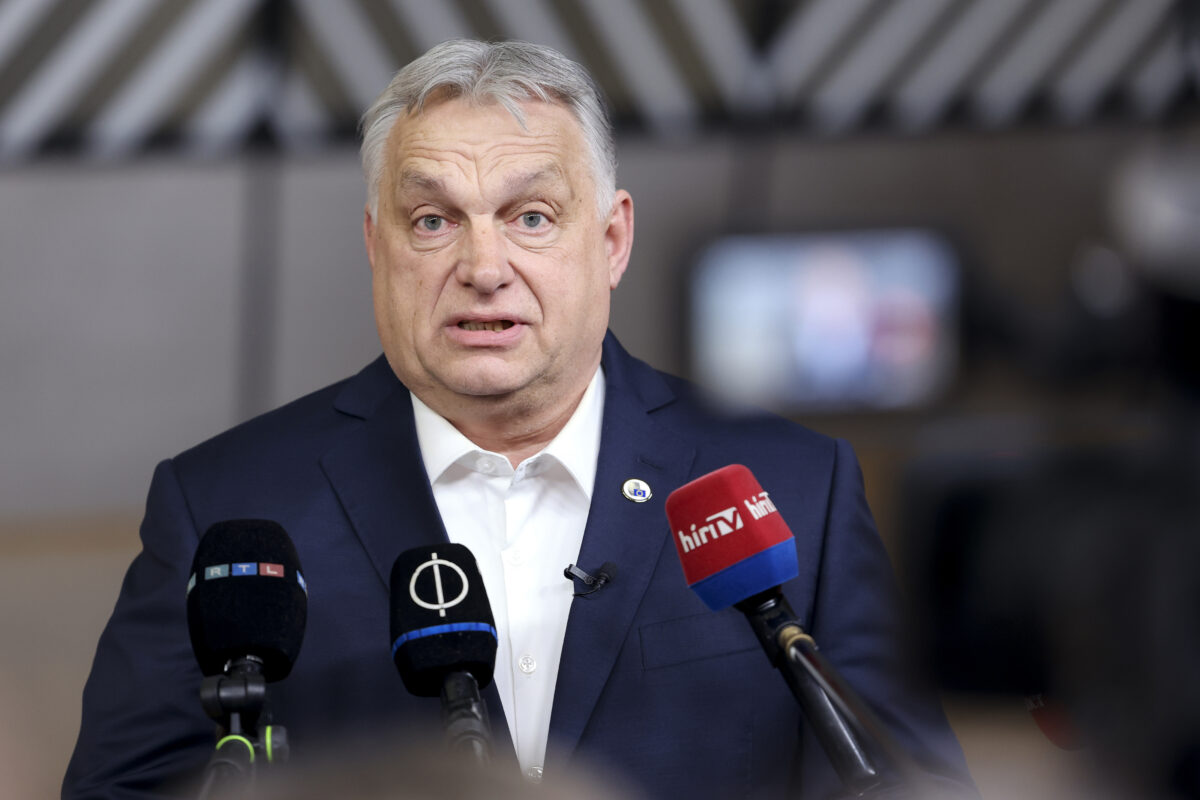
The political aftershocks from Sunday's election in Budapest comes at a volatile time amid a collapsing ceasefire between the United States and Iran as Tehran re-imposes a chokehold on the Strait of Hormuz. Meanwhile, back in Brussels, the 2028-2034 budget is on the table.

With more than 50 percent of votes counted on Sunday, Tisza’s Magyar had already secured 136 out of 199 seats, in a clear constitutional majority.
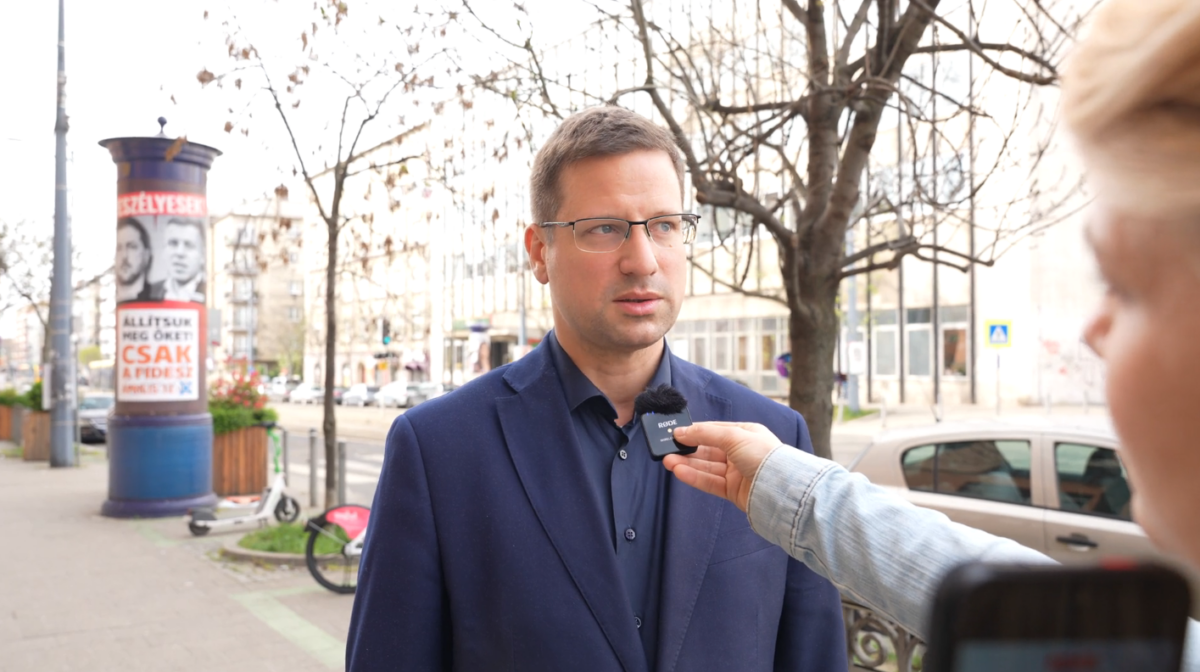
A rare, unscripted moment pierced Hungary’s tightly controlled political landscape on election day, when I found myself face-to-face with a senior Orbán minister in a polling queue.

When Europeans open a streaming app tonight, they do not simply choose entertainment. They enter an attention system that decides what is surfaced, what is sidelined, and what becomes ‘normal’ through rankings, recommendations, and autoplay. As the EU prepares for the 2026 review of the Audiovisual Media Services Directive (AVMSD), this is no longer just a cultural debate. It is a question of market design, democratic resilience, and strategic capacity.

Hungarian journalist Alinda Veiszer reflects on the dismantling of public media, the pressures placed on reporters under Orbán’s system, and the stubborn forms of creative resistance that emerged.

Vladimir Putin announces a ceasefire from Saturday (11 April) at 16:00 until Sunday at 24:00, to mark the Orthodox Easter. Traditionally, such a brief ceasefire is an opportunity to evacuate the wounded, bring in ammunition, water and food, and to rotate soldiers in the front line.
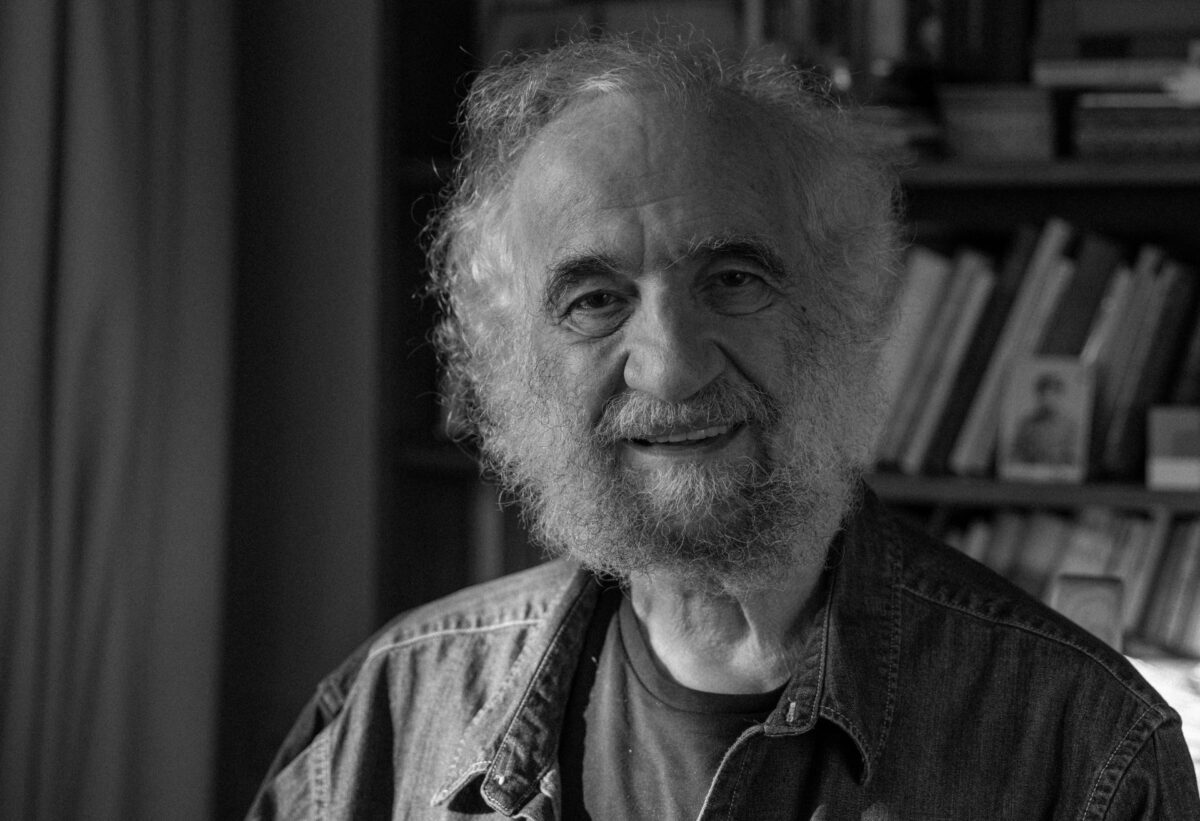
László Mérő, the mathematician and psychologist turned public intellectual, says Fidesz’s rhetoric now echoes the language of the Third Reich and argues that the hatred shaping Hungarian politics has been consciously manufactured. In a wide-ranging interview, he reflects on Orbán’s transformation, the failures of the past 16 years, and why he believes the country could still change course.
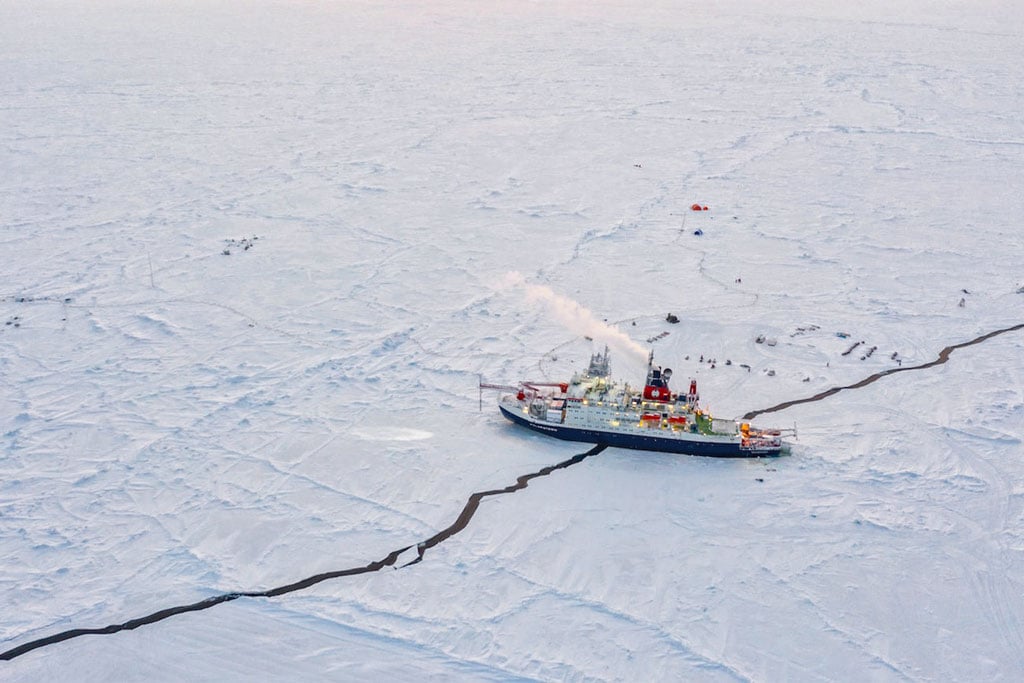
The EU is spending billions of euros on LNG from Russia’s Yamal Arctic facility, and accounts for 97 percent of the gas produced by the project. The LNG facility, which is based in north-west Siberia, is not currently subject to the EU’s sanctions regimes against Russia.
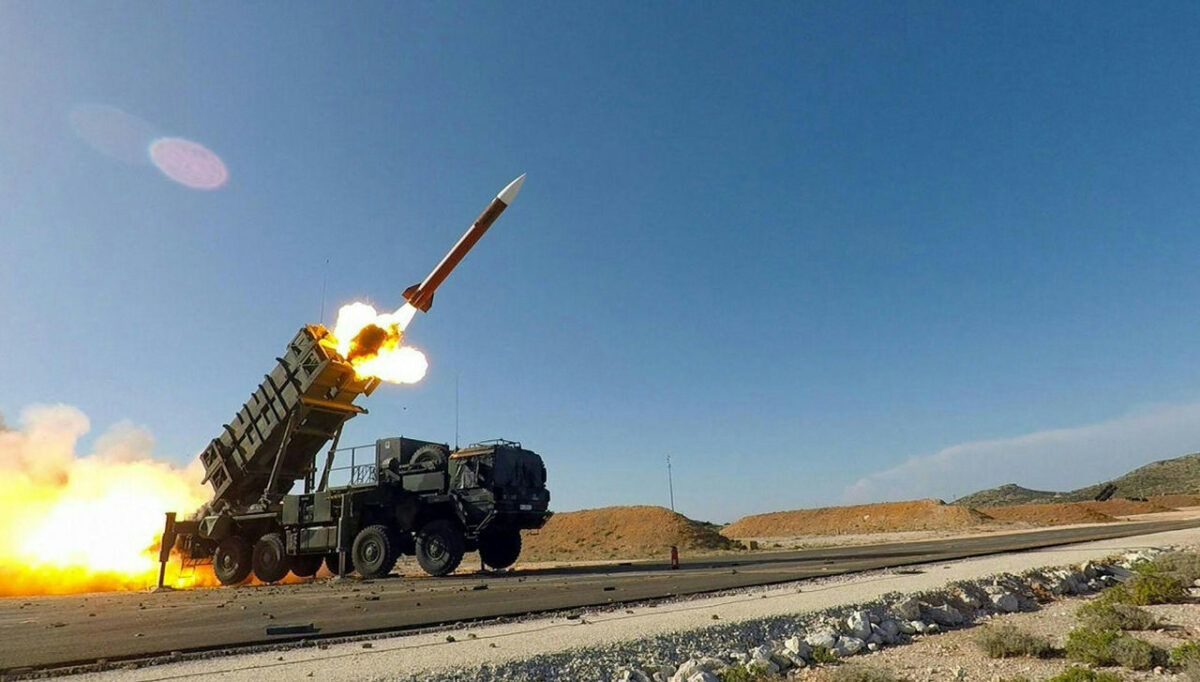
Amid the shortage of Patriot air defence missiles, Ukrainian arms manufacturer seeks to build its own alternative to shoot down ballistic missiles. The estimated start of production in 2027 is optimistic, but experts say it might just work.

“Never interrupt your enemy whilst he is making a mistake,” Napoleon said. It is just one of the many historical lessons of warfare that US president Donald Trump and Israeli prime minister Benjamin Netanyahu have ignored over the past 40 days. The result is that they have lost the war against Iran and failed to achieve any of their objectives.

The European Parliament, led by a conservative far-right alliance, endorses a drastic expansion of deportations. In effect, the far-right has used migration to break into the European political centre.

In a world that often feels as though it’s spinning out of control, Nasa’s Artemis moon mission offers a rare moment of reassurance and more personally, dreams that we are greater than the horrors inflicted onto us by the likes of Donald Trump, Vladimir Putin, Benjamin Netanyahu, the regime in Iran and the utter chaos and violence across Sudan.
Between March 28 and April 5, no fewer than five boats sank in the Mediterranean, carrying migrants trying to reach Greece or Italy. At least 180 people died trying to reach Europe in just over a week. What are Europeans’ responsibilities in this regard?





Geen opmerkingen:
Een reactie posten