Good morning.
€500m per day is the extra cost of the Iran war to the EU’s energy bill.
The bloc has spent an additional €22bn since the start of the US-Israeli airstrikes against Tehran, according to the European Commission.
Commission president Ursula von der Leyen has already confirmed her conversion to nuclear energy.
Abandoning nuclear was a “strategic mistake”, she said last month. In a speech on Monday (13 April), she said that renewables and nuclear would be at the heart of weaning Europe off its dependency on oil and gas.
Without their own oil and gas reserves – and with fracking having been ruled out a decade ago because of the environmental damage it causes — the EU-27 are particularly vulnerable to oil price shocks.
Many of the measures discussed by von der Leyen on Monday are either too small in scale or too slow. EU-wide coordination of member states' gas storage filling and oil releases will help a bit but won’t cushion governments for very long. Subsidising consumer energy bills, as the EU did in 2022 following Russia’s invasion of Ukraine, is probably necessary to reduce the chances of a recession.
But, again, how long can finance ministries foot the extra bill? Several African countries, including Tanzania and Kenya, are already bracing their people for 30-percent price hikes at the pump.
There is a certain irony to von der Leyen’s conversion to nuclear, 15 years after being a minister in the Angela Merkel that basically mothballed Germany’s nuclear reactors.
The commission is expected to green light France’s plan to build six new reactors at a cost of €70bn, while a handful of other EU states are now unpicking their own legal moratoriums on nuclear energy.
But the new reactors in France, which has the biggest nuclear sector in Europe, won’t be operational for at least a decade. The likes of Italy and Belgium, who are currently re-opening their energy laws, would have to wait longer.
Perhaps Europe’s greatest energy policy failure in the past 15 years is that it has been too slow, too reactive and too indecisive. In the US, the Obama, Trump and Biden administrations gave fracking the green light. The US is now a major energy exporter again.
By scrapping nuclear and half-heartedly embracing renewables, the EU left itself at the mercy of Russia and the Middle East. And now, for the second time in four years, it faces a hefty bill.
Benjamin Fox, trade and geopolitics editor
What else you need to know
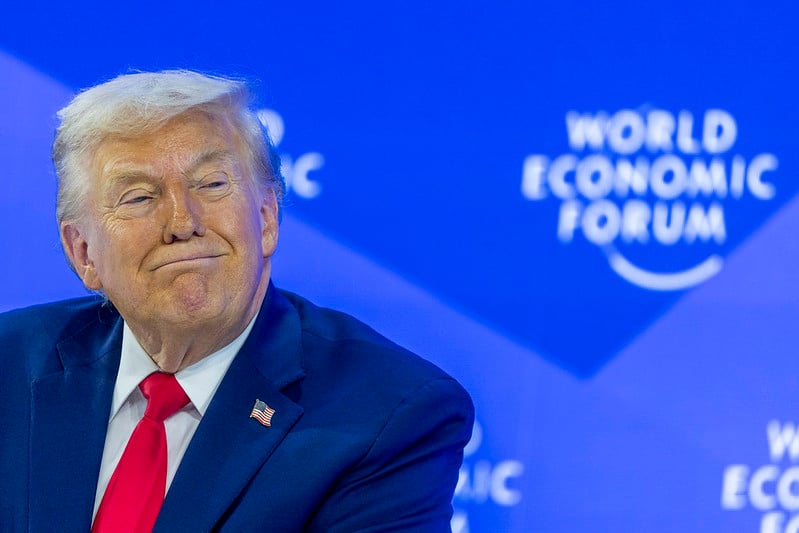
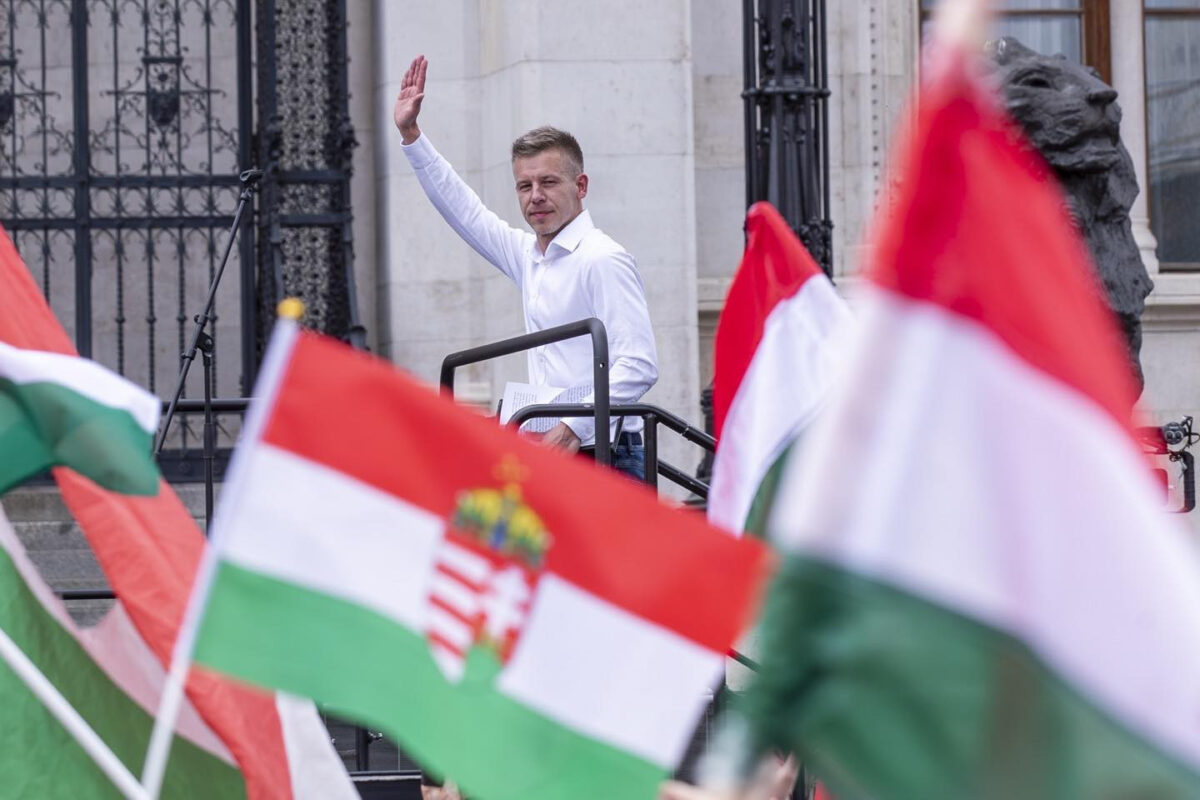
Most of Viktor Orbán’s former allies stayed quiet on Monday, while those at risk of EU sanctions tried to curry favour with the incoming Hungarian leader.
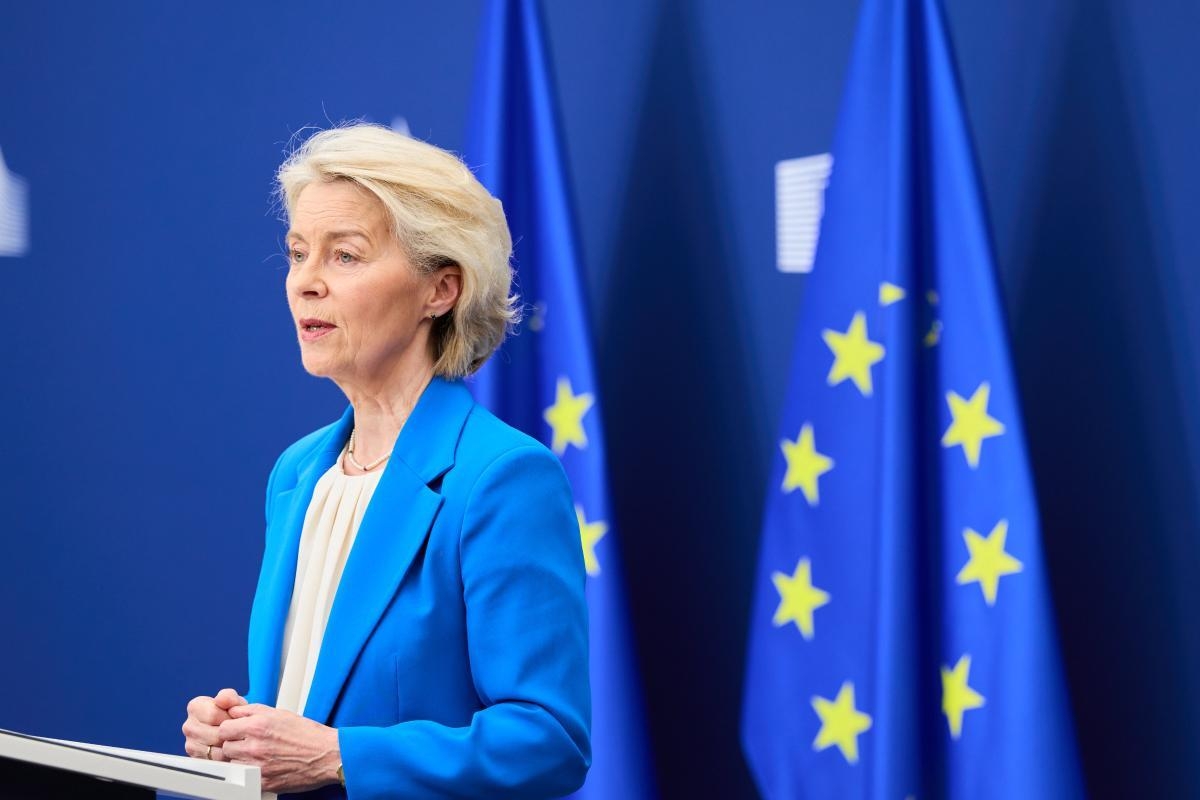
The European Commission is championing renewable and nuclear energy as safeguards against future shocks from global conflicts such as Iran — even as critics warn it has spent the past year hollowing out ambitions of the Green Deal.
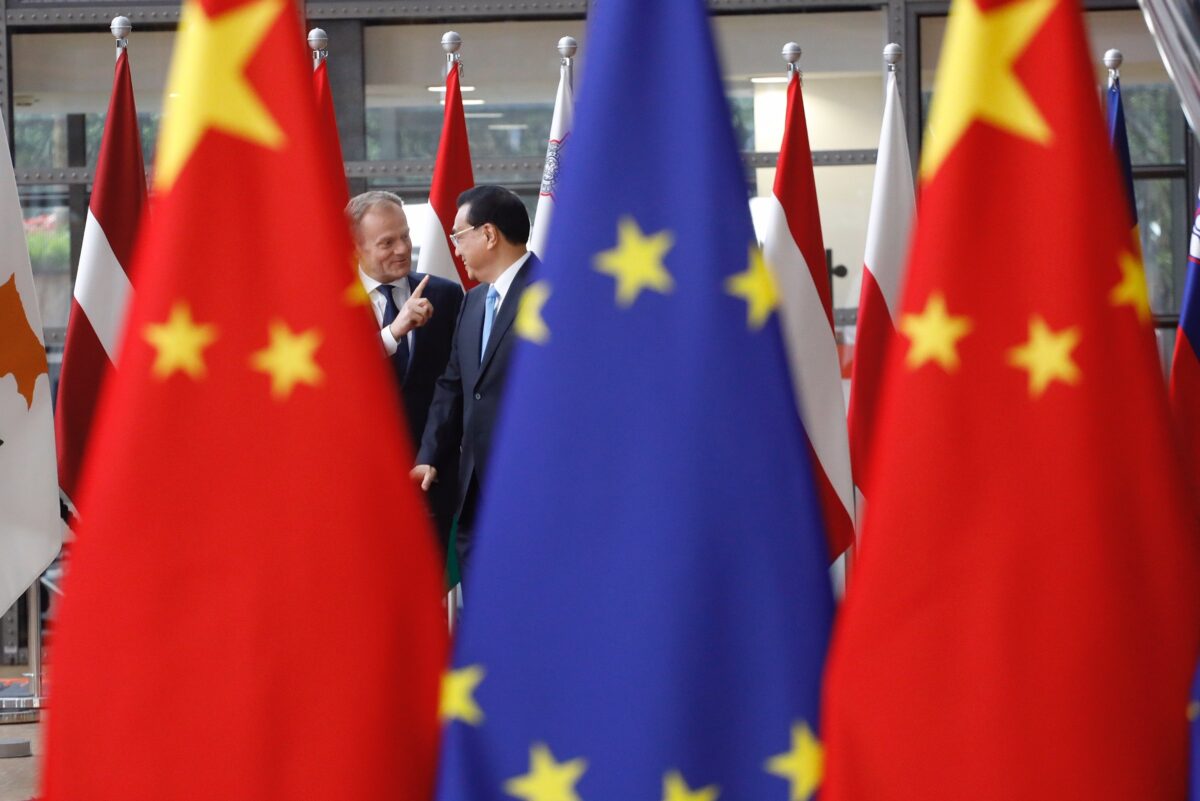
Beijing’s new rules cover any commercial decisions that could be seen as affecting China’s supply security, including decisions to stop supplying Chinese customers or to exit China-related supply chains.
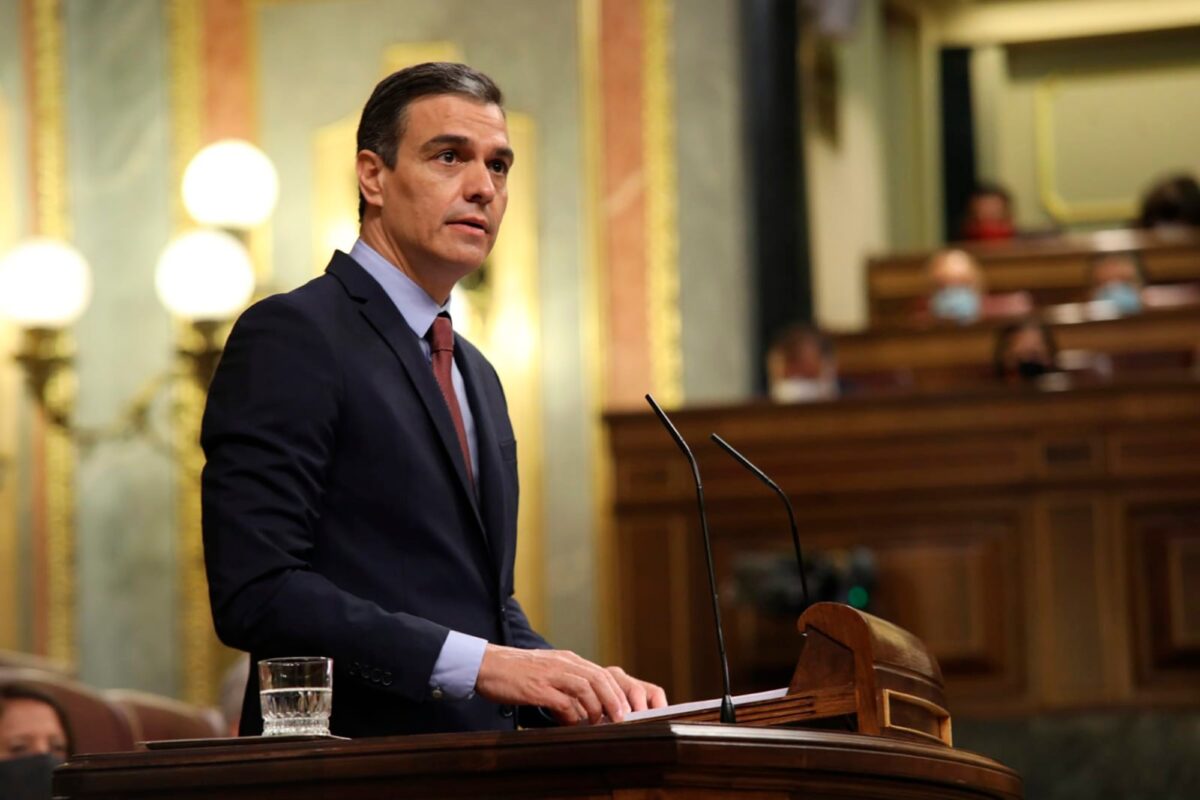
Despite being one of China’s main economic allies in Europe, Spain’s prime minister has urged Beijing to take steps to reduce its ‘unsustainable’ trade deficit with the EU.
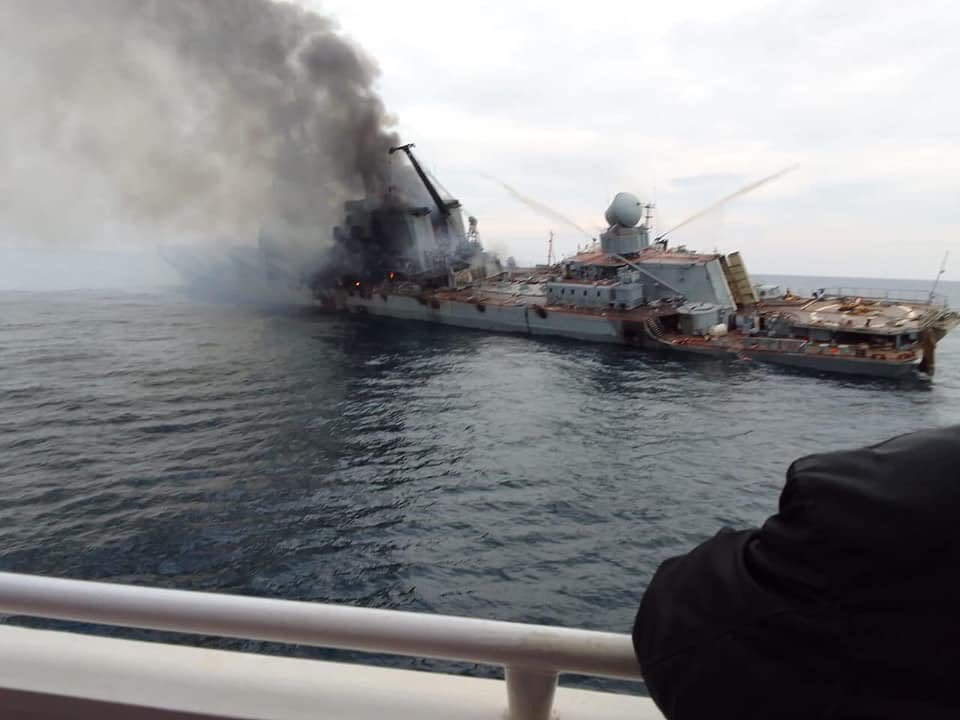
The Black Sea Fleet’s “only function is basically to fire Kalibrs [missiles] from the pier” at Ukrainian drones in self-defence, said one Russian commentator.
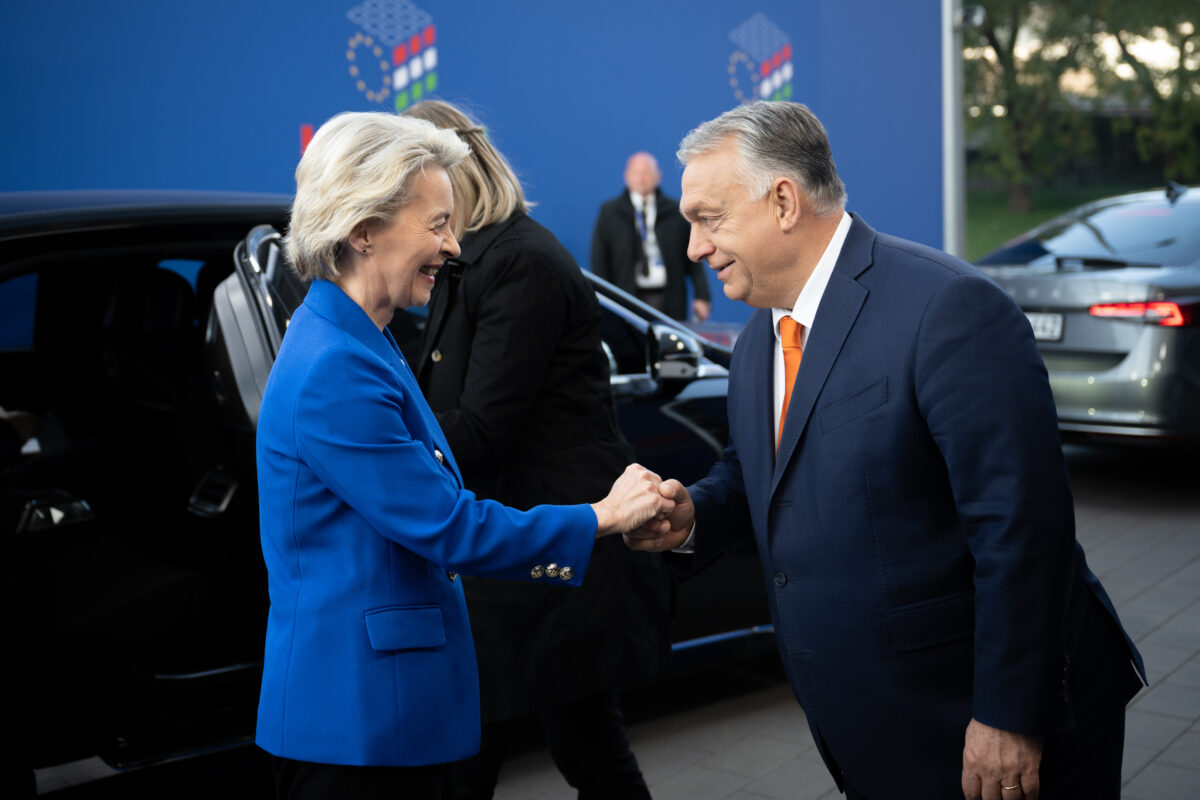
For Brussels, the immediate temptation will be to read Peter Magyar’s victory as a strategic realignment: the return of Hungary to the European mainstream after years of institutional conflict. But Peter Magyar is not the political antithesis of Orbán. His emergence reflects, in part, a reconfiguration within Hungary’s conservative political space rather than its outright displacement.
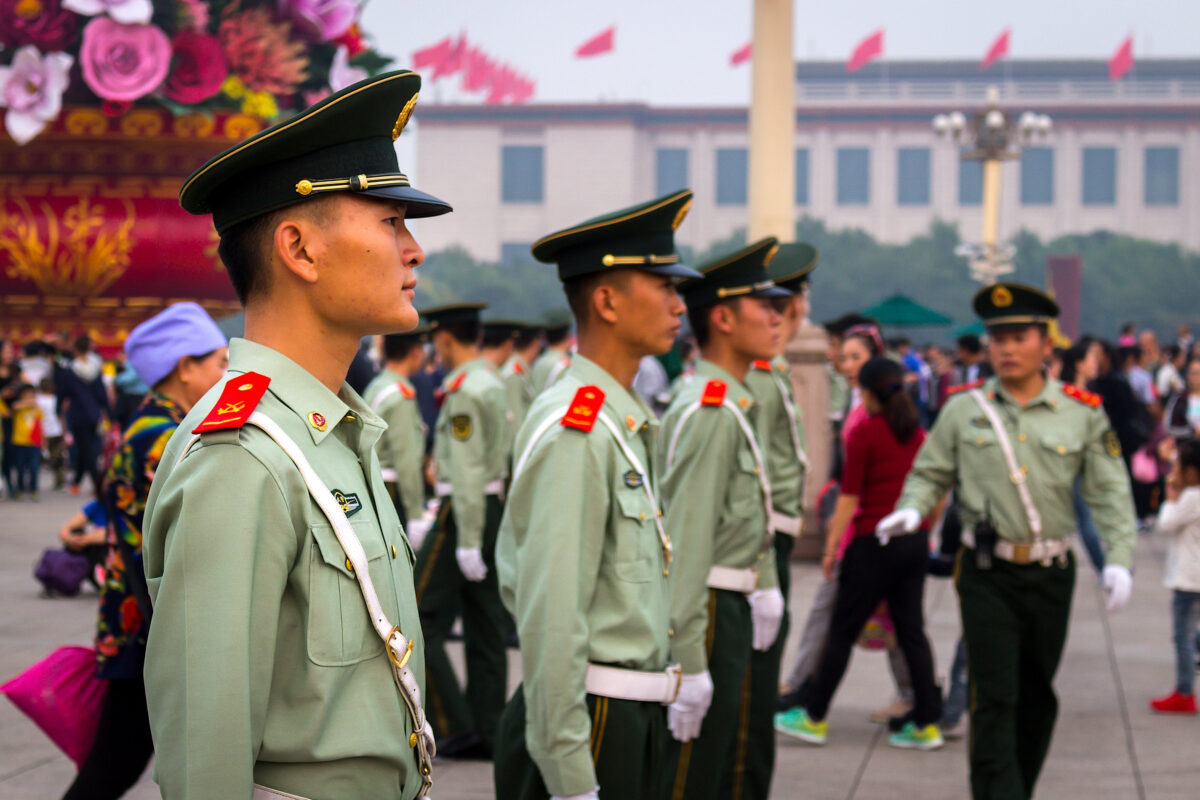
“A new trend involves posting job advertisements [on LinkedIn] … and then approaching selected candidates,” Estonia’s intelligence agency said, in its annual report.
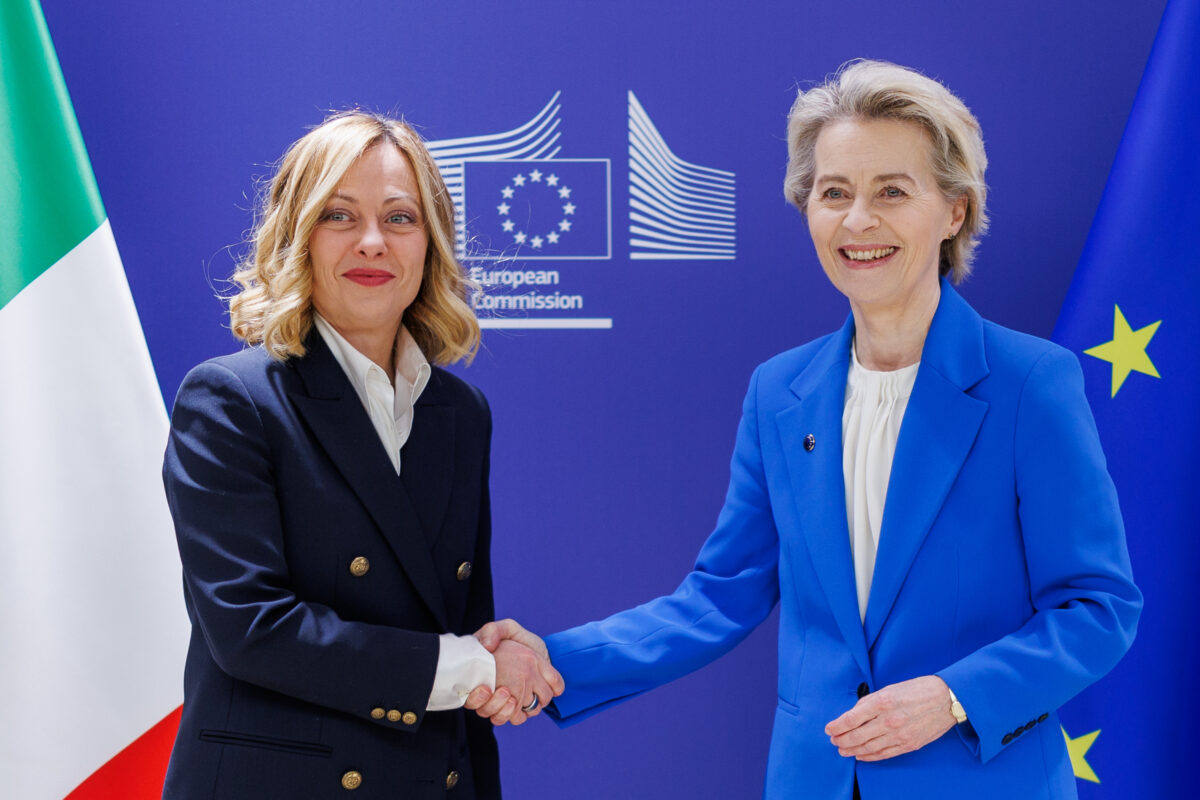
Strip migration out of the equation, and Italy’s population would still be shrinking at pace. Yet politically, the country is moving in the opposite direction. Giorgia Meloni’s government has doubled down on a hard-line approach: extending detention, tightening family reunification, accelerating asylum procedures and pursuing expansive forms of externalisation beyond Italy’s borders.
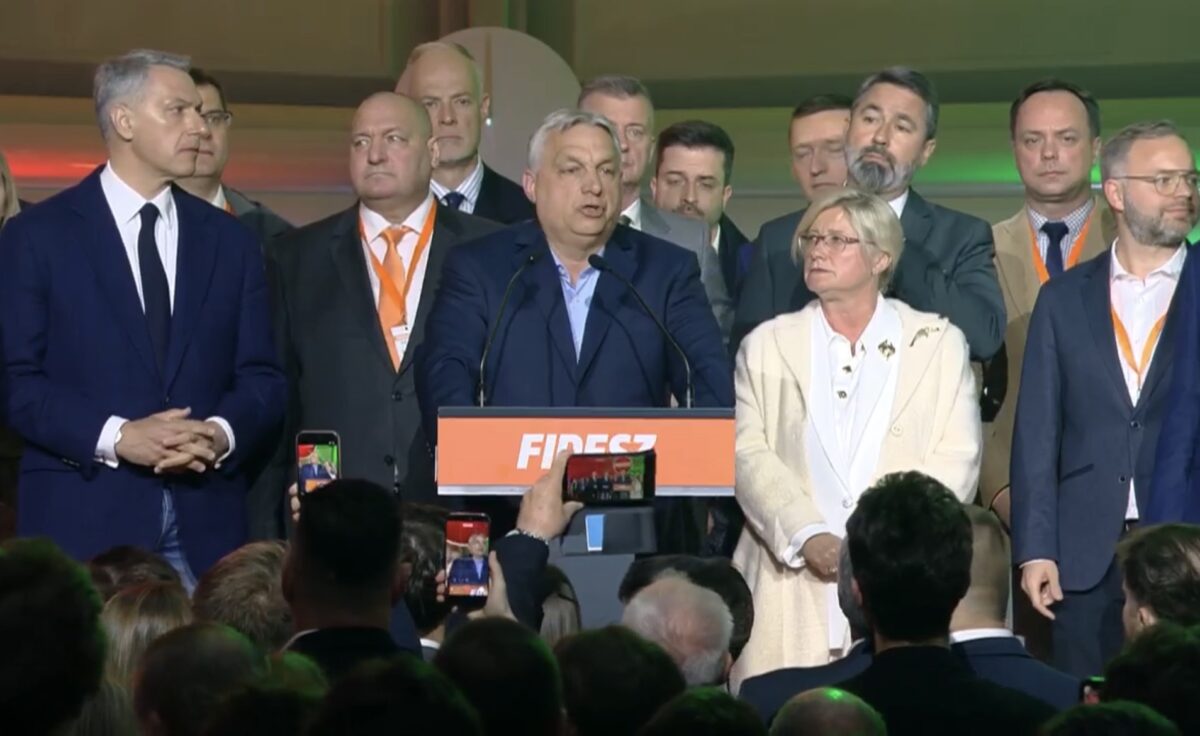
Hungary’s political landscape has been upended: after 16 years in power, Viktor Orbán’s system has collapsed following a landslide defeat. From the limits of propaganda and corruption to a resurgent independent press and a new generation of voters, 10 key lessons explain how a seemingly entrenched illiberal model unravelled — and what comes next for Hungary and Europe.
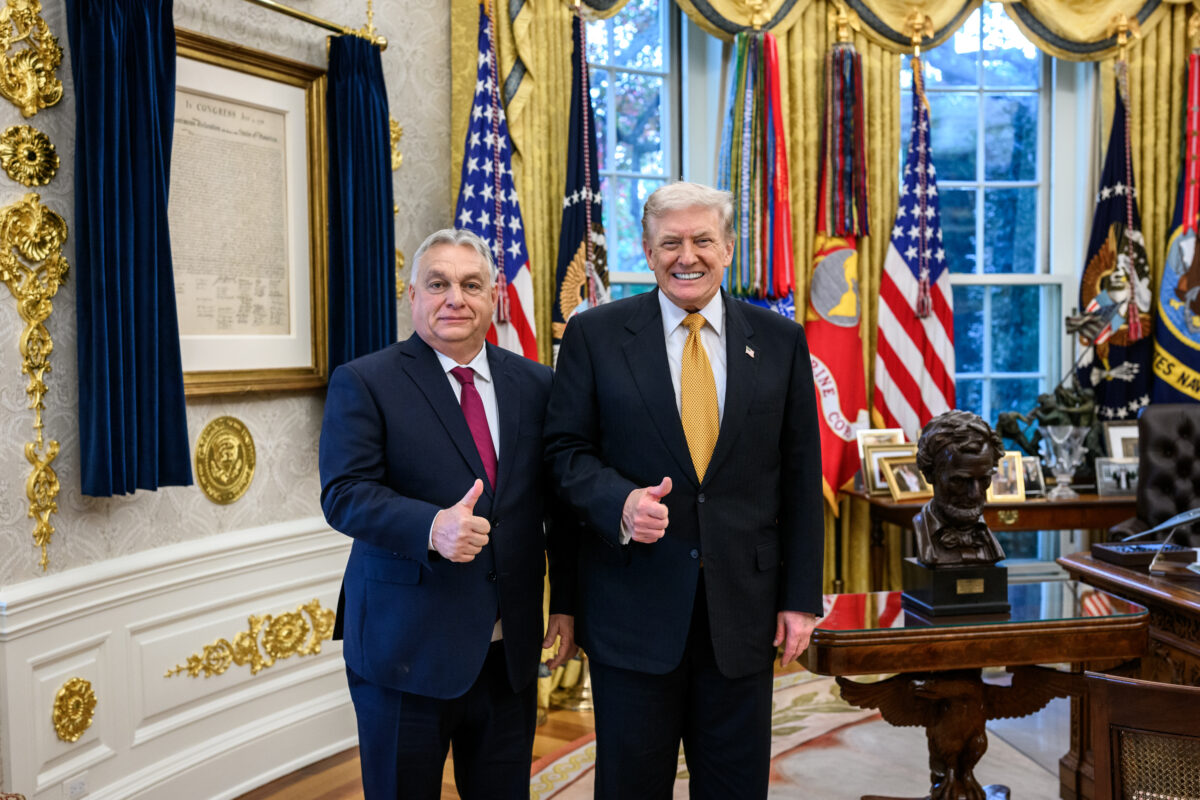
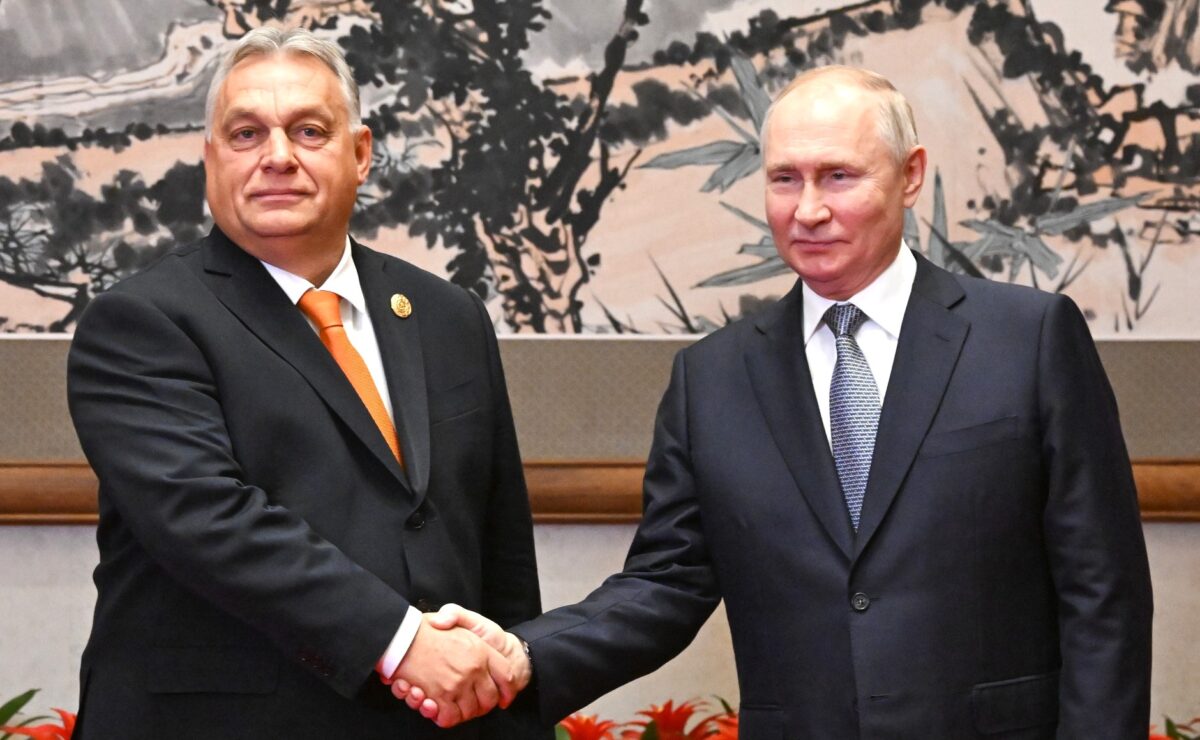
Hubris takes down Hungary’s strongman. It is also a stunning blow for their backers. Donald Trump, Vladimir Putin and Xi Jinping pretended to admire Orbán. But what they really liked was that he made Hungary into a springboard for attacking the European Union.
Hungary is waking up to a new leader this morning — one who is almost 20 years younger than Viktor Orbán, but not an outsider (nor someone entirely politically opposed to the previous leadership.)
The political aftershocks from Sunday’s election in Budapest comes at a volatile time amid a collapsing ceasefire between the United States and Iran as Tehran re-imposes a chokehold on the Strait of Hormuz. Meanwhile, back in Brussels, the 2028-2034 budget is on the table.




Geen opmerkingen:
Een reactie posten