Good morning.
There is no coal comeback
Before the war, roughly one-fifth of global liquid gas supply, about 112bn m³, passed through the strait. If used for power, that equals around 590 Terrawatt-hours, roughly France’s annual electricity generation.
This however is more than made up for by renewable additions.
In 2025 alone, data from energy think-tank Ember shows the world added enough new wind and solar capacity to generate about 1100TWh a year, nearly twice as much, which helped reduce the need for more coal since the start of the crisis.
One reason there hasn’t been a coal resurgence is that coal was already cheaper than gas, even before the latest price shock, meaning coal plants are already running close to full capacity.
The only way for coal to “come back is to build new plants, or revive old ones,” Ember’s Dave Jones told EUobserver. And by those metrics, there’s just not that much room to play with.
Germany has seven gigawatt of coal power capacity in reserve. Italy's total coal generation was under five gigawatts in 2025 — less than one percent of national electricity output, according to the country's grid operator Terna.
Even if these plants, which currently operate at an €80m a year loss, are extended, it will not materially change either country's energy outlook. The speed with which renewables can be connected to the grid is the determining factor.
Data from another recent Ember study shows that almost 700GW of renewable projects are waiting for grid connection across Europe.
In Italy alone, 231 GW of projects have a connection agreement but remain unbuilt — nearly twice the country’s entire power capacity.
Building wires sometimes takes decades. But the International Energy Agency estimated that software and contract reforms alone could unlock up to 185 GW of capacity across Europe.
The most important bottleneck, it turns out, isn’t fuel, but the grid.
Wester van Gaal - economy journalist
What else you need to know
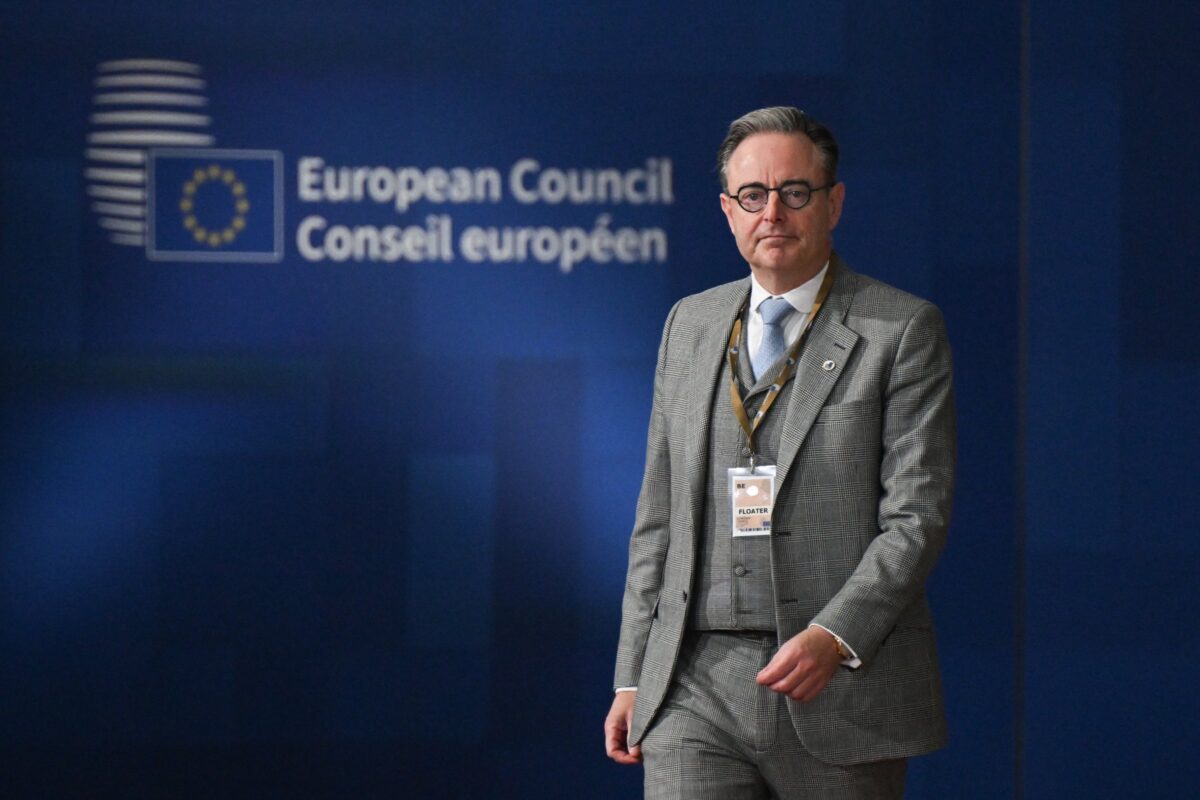
Top executives at strategic Belgian financial services firm Euroclear, which holds €193bn in Russian assets, previously had French bodyguards.
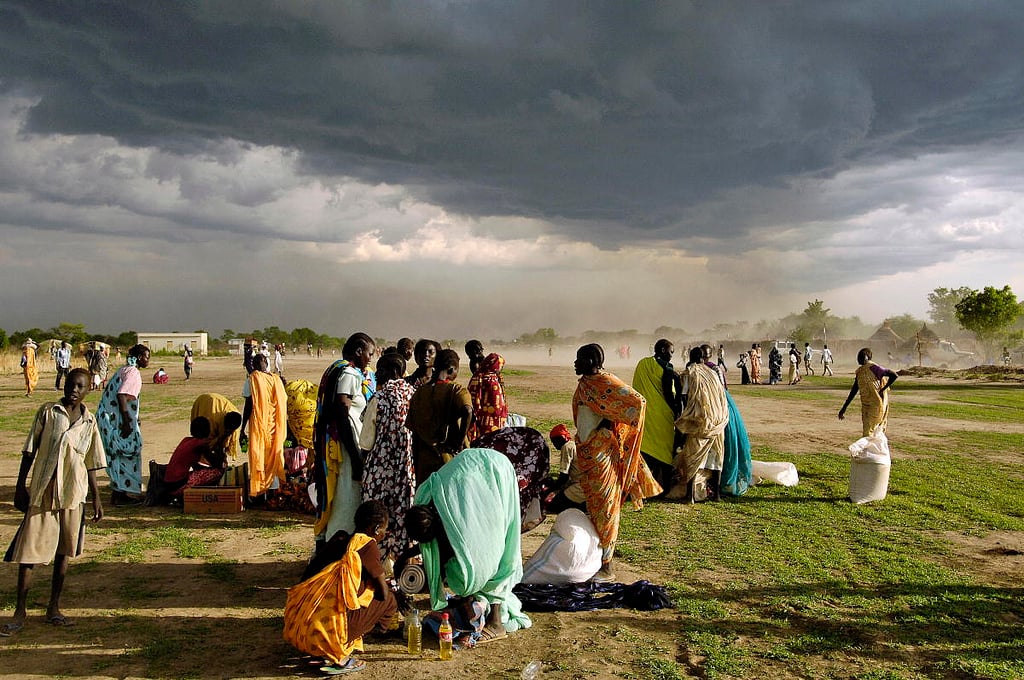
A summit on Sudan’s future, jointly hosted by the EU on Wednesday, will gather dozens of the African country’s civilian political leaders as its civil war enters its fourth year.

Beyond the relief of seeing Viktor Orbán gone, the EU should resist premature normalisation and not give Péter Magyar a blank cheque. It should require clear commitments and wait for concrete progress before unblocking EU funds. That also means that the process should not be politicised. This will depend on the European Commission but also on the European People’s Party — the party of Commission president Ursula von der Leyen, Donald Tusk and now Magyar.
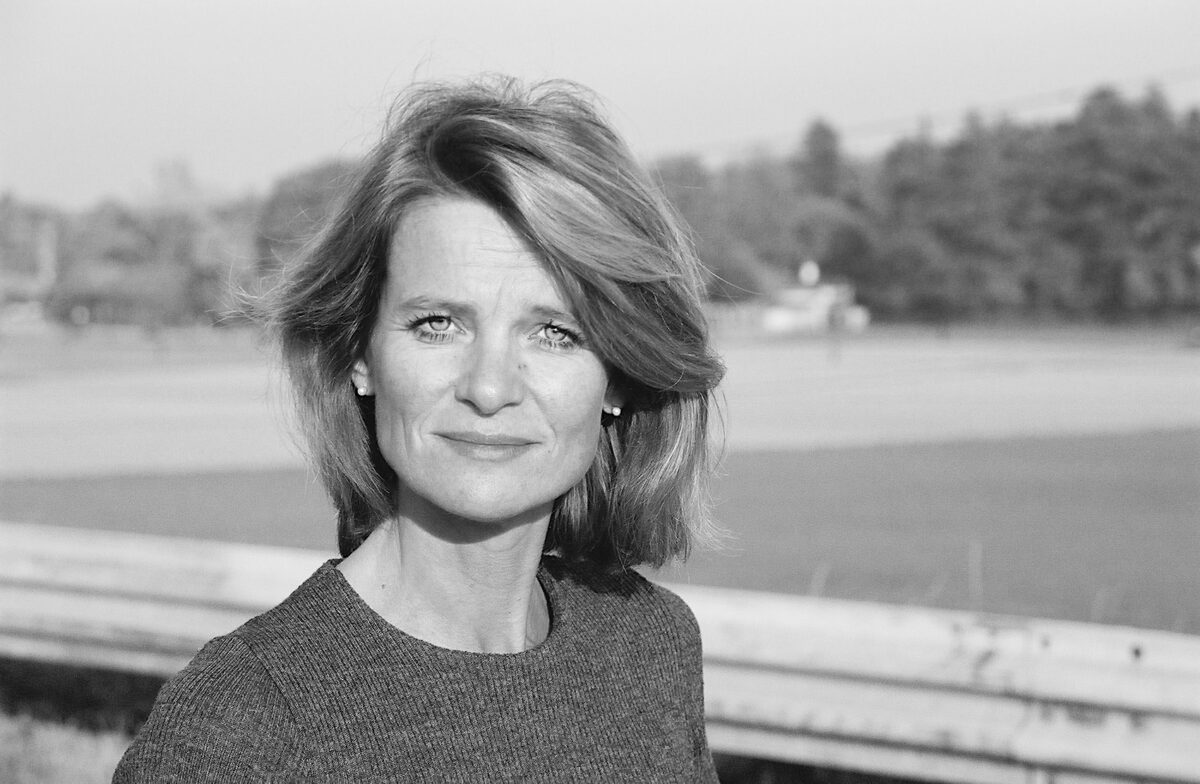
Autocrats and ‘strongmen’ want us to feel defeated on international law. But ‘the fact that certain laws are being violated does not, of course, mean those laws no longer exist’, writes Caroline de Gruyter.
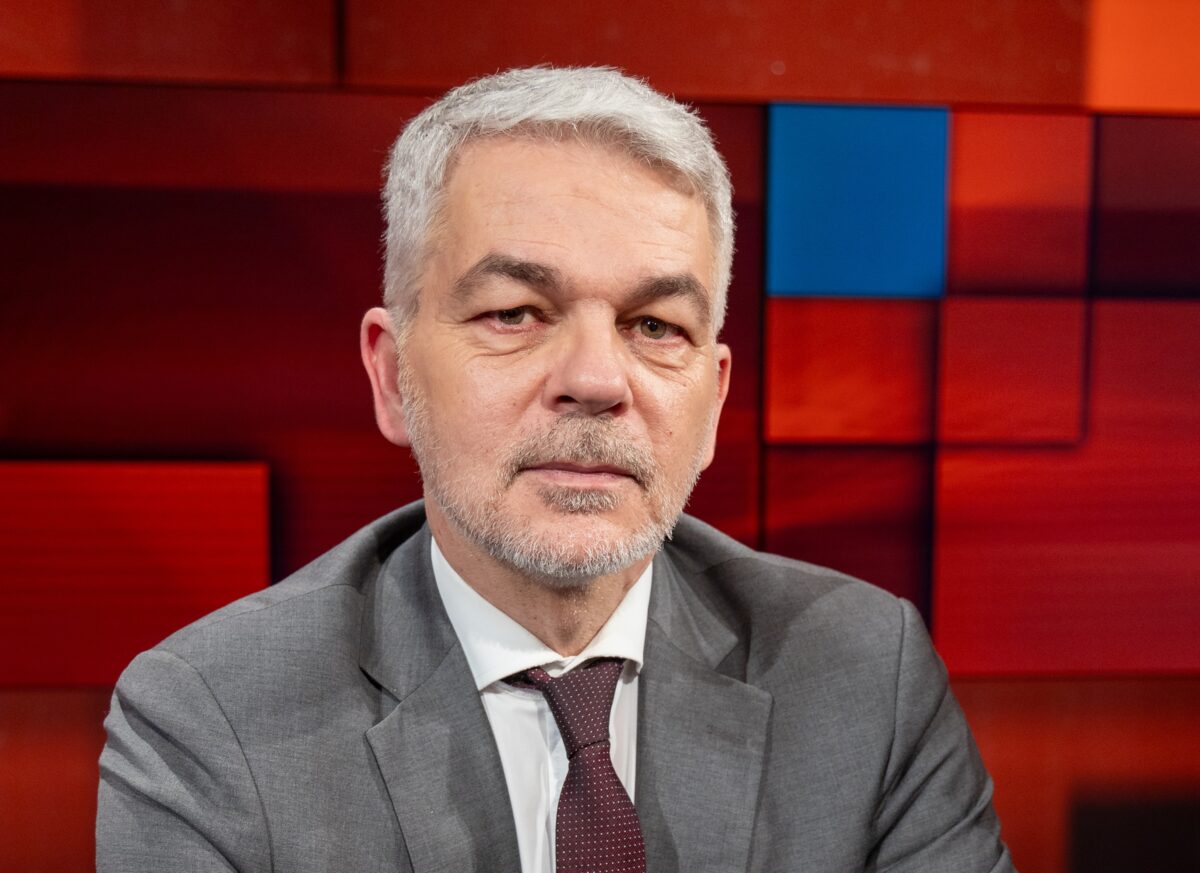
German analyst Carlo Masala looks at whether Europe is behaving wisely towards Trump and if the world will actually allow it to arm itself.
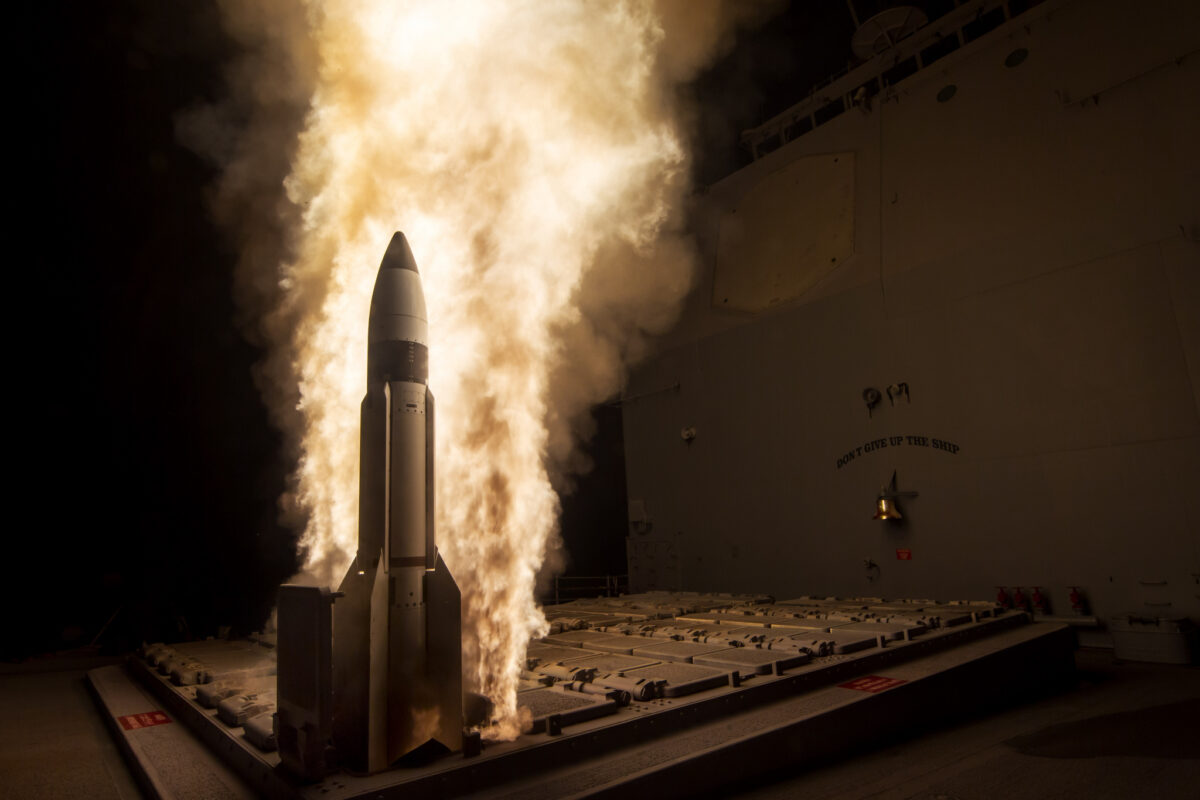
Russia is paying record bonuses, but attracting 20% fewer recruits, while Ukraine claims to have fired two ballistic missiles.

“He didn’t fall into Viktor Orbán’s culture war trap — like the opposition always did.” Hungarian political scientist Eszter Kováts explains the rise of Péter Magyar. The liberals and the mainstream rightwing European parties expect much more from him than he is ready to give, in her opinion. “But he will not be Orbán,” she says.
Hungary is unlikely to undergo a complete shift in the months ahead. It will however be interesting to see what changes occur — if any — as voters have removed Viktor Orbán from power.




Geen opmerkingen:
Een reactie posten