Good morning.
Two years ago, the EU court slapped Budapest with a €200m fine for failing to implement an asylum law, in a case that stems back to 2020 when Hungary was already faulted by the court for forcing people back to Serbia.
The bill came with a daily €1m fine, which Hungary's ousted prime minister Viktor Orbán refused to pay.
Now totalling some €600m, the sum has landed on Hungary's incoming prime minister Peter Magyar's lap and at time when the country's economy is a struggling.
It is but one of many bristling problems Magyar will have to face, as he attempts to dismantle over decade of toxic Orbánism while clawing back some €17bn in lost EU funds.
"Without these funds, it will not be possible to kickstart the Hungarian economy," said Magyar, who takes over as PM next month.
Earlier this week after a technical meeting with an envoy of EU officials, he had also suggested a suspension of the daily fine.
When pressed to comment, the European Commission said the fine would be lifted once Hungary implements the required rules.
"It is up to the Hungarian government to abide by this ruling and once that is done, the issue is solved," said commission spokesperson Paula Pinho.
It is not immediately clear if Magyar intends to abide by the ruling.
He also opposes the incoming EU asylum and migration rules, echoing Polish prime minister Donald Tusk’s refusal to accept asylum seekers who arrive in other member states.
This comes despite that the number of people to be relocated is a fraction of what the European Commission had initially intended.
EU member states pledged to take in just 9,000 people last December, and even that figure came with a significant caveat: it may include other forms of support, raising questions about how many commitments translate into actual relocations.
Germany accounted for the largest share, pledging 4,555 places. However, none of these involve relocations.
Instead, the commitment reflects Berlin’s agreement to process asylum claims for individuals who initially arrived in Greece or Italy but subsequently made their way to Germany.
Even so, the commission is unlikely to pick a new fight with Magyar in the hopes of currying good will with the new government in Budapest.
European Commission president Ursula von der Leyen did it with Tusk after he become Poland's prime minister in 2023.
When he told her Poland had no intention of implementing the pact, she praised the country for hosting a large number Ukrainian refugees, cited hybrid threats from Belarus, and the neeed for more EU funding to shore up the borders.
But crucially, she made no mention of the pact. Nor did she correct Tusk’s assumption that the country would be forced to relocate asylum seekers.
Nikolaj Nielsen – home affairs editor
What else you need to know
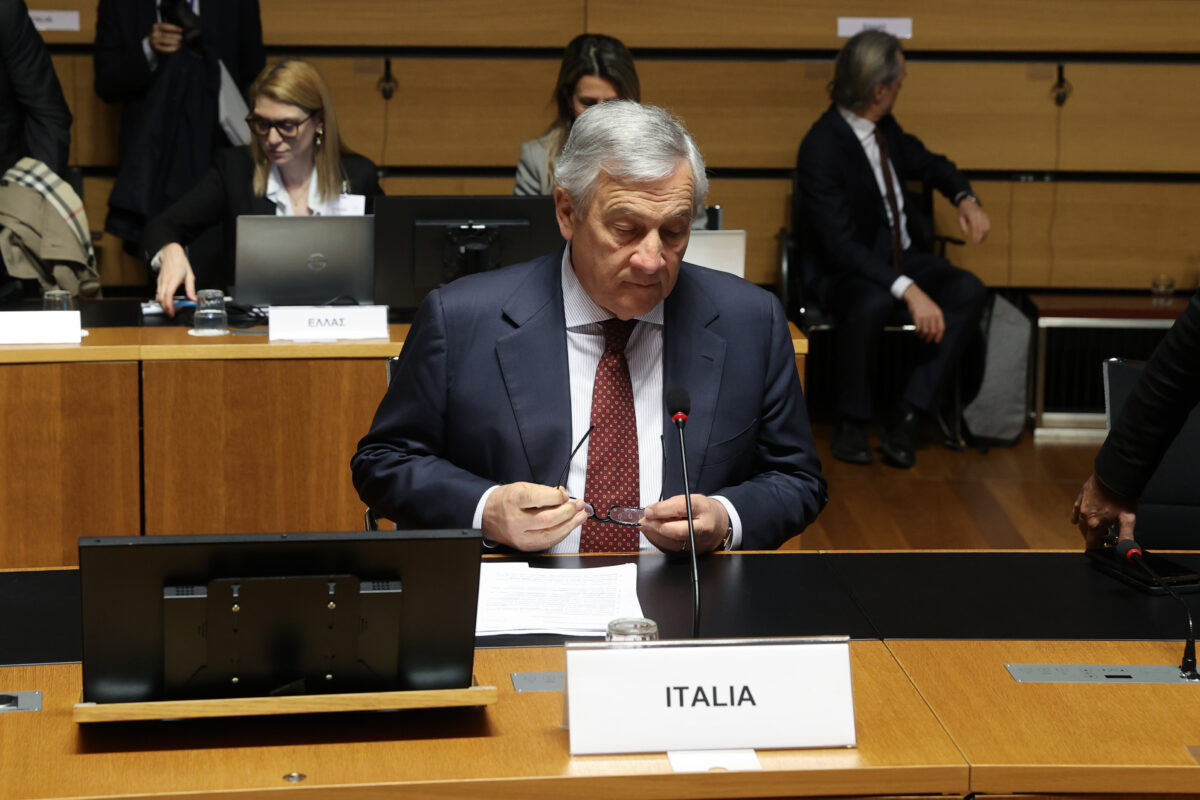
“I do not believe that breaking a trade agreement is a useful tool,” said Italian foreign minister Antonio Tajani on Tuesday — despite Spanish and Belgian appeals.
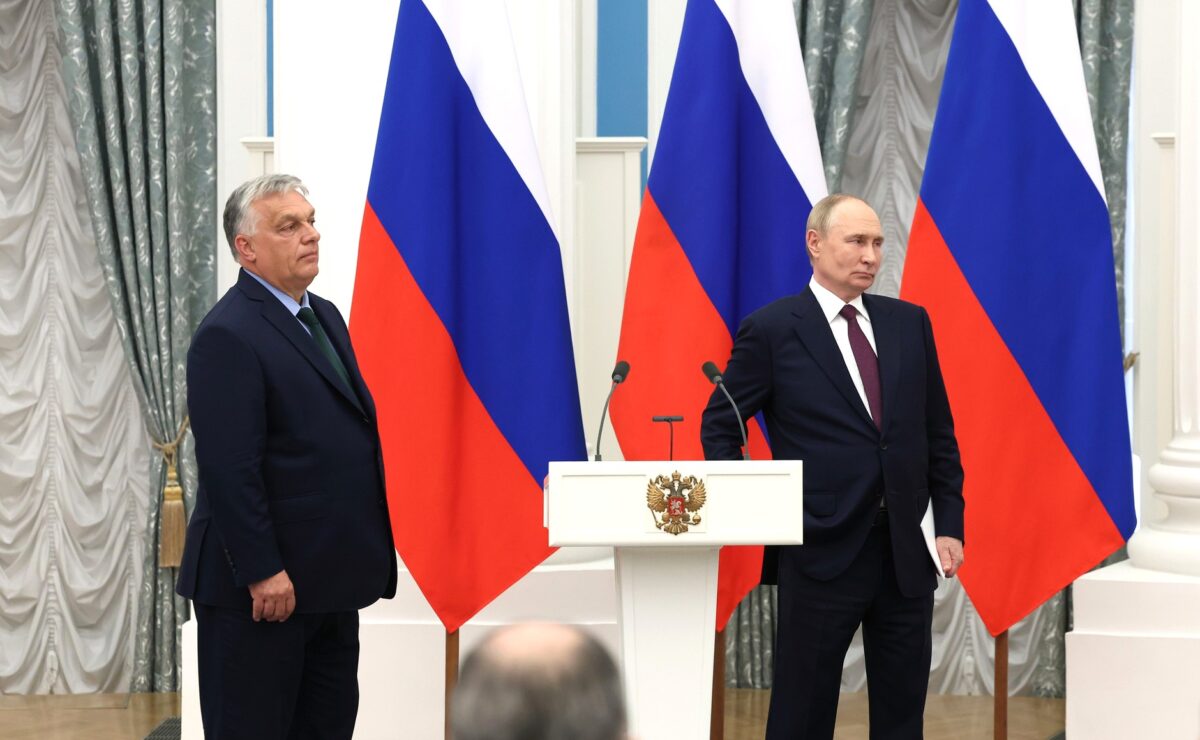
Europe’s top court has ruled against Hungary’s homophobic laws, further dismantling Viktor Orbán’s far-right legacy.
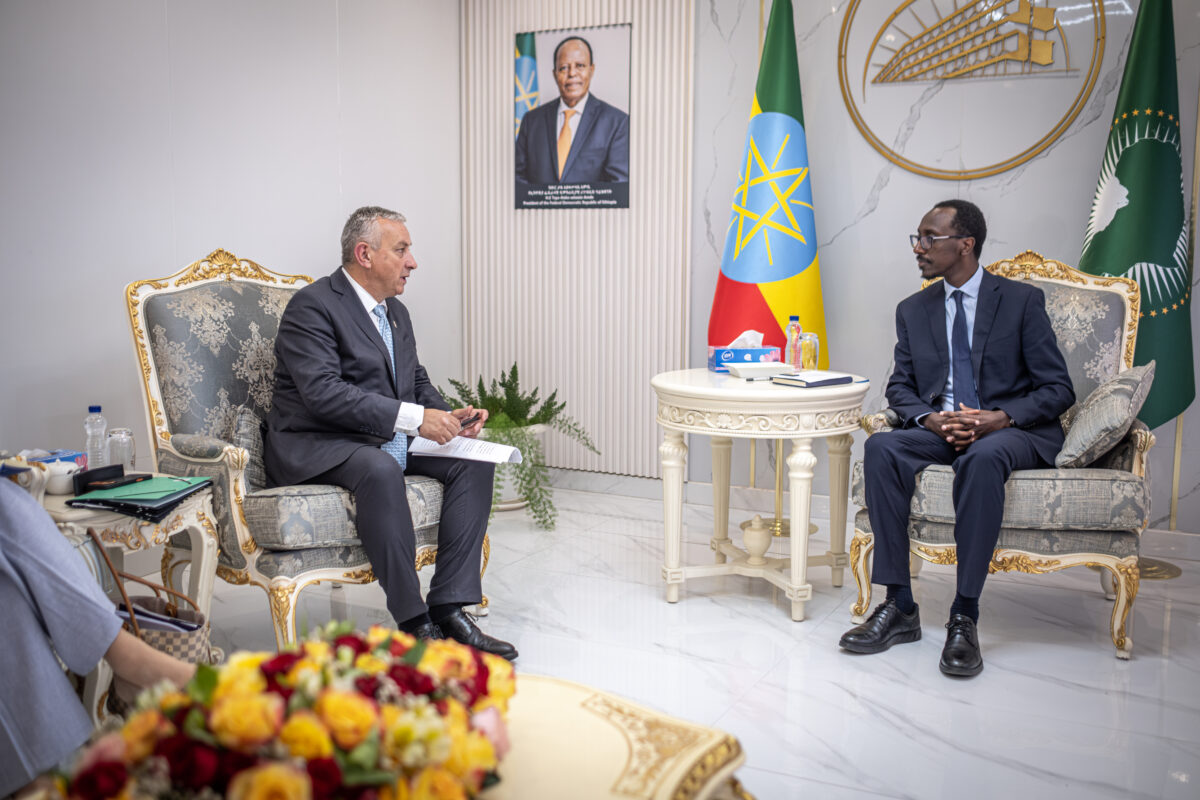
The EU will now provide €140m in budget support for Ethiopia — five years after halting funding because of the country’s civil war. It is facing a strategic rival in China, which just invested $10bn in hydrogen projects there.
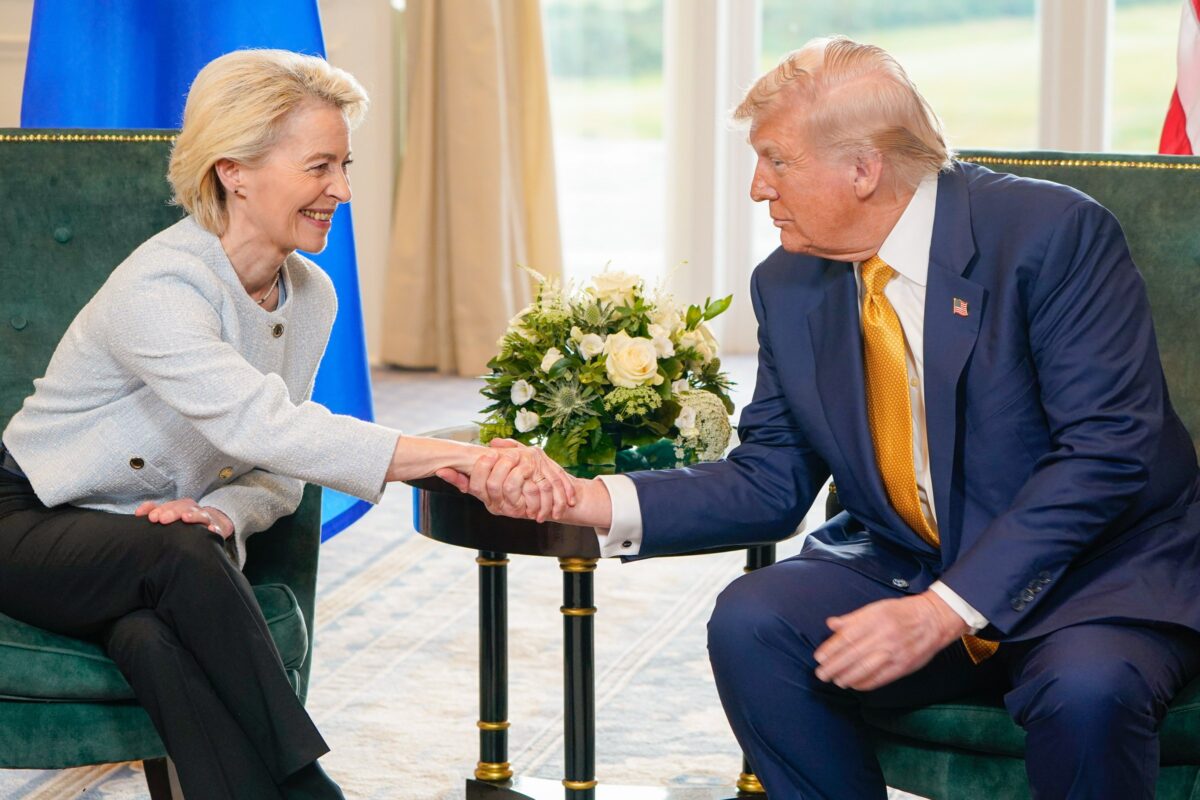
With few exceptions, Amnesty International has accused EU governments of being cowardice for failing to stand up and act in defence of human rights and international law, launching their new annual report.
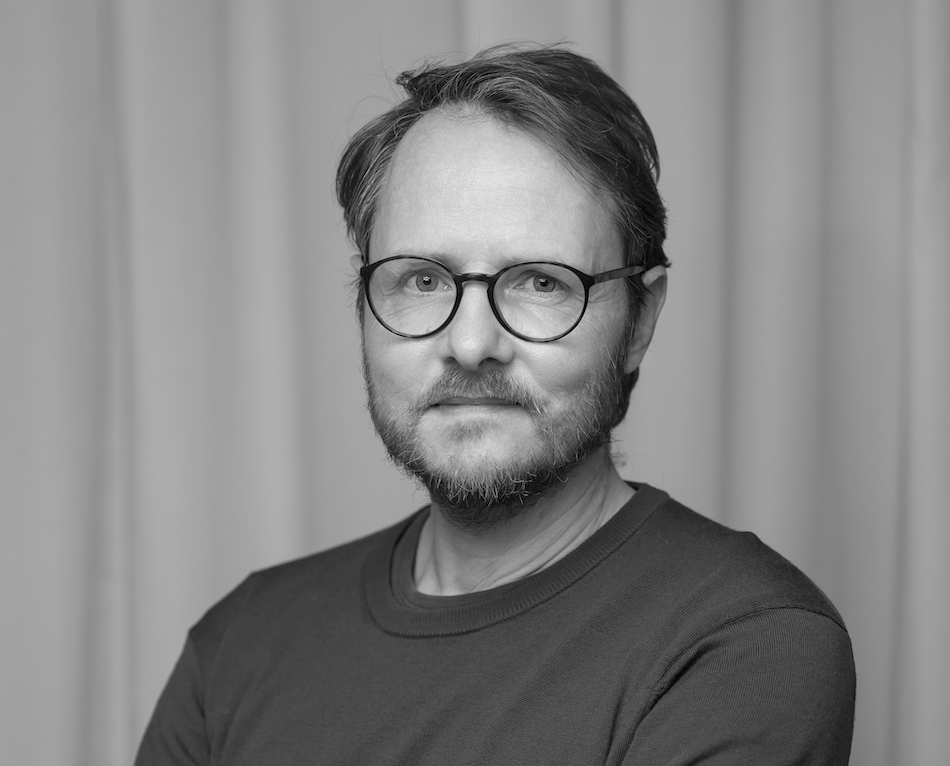
Fidesz constructed a very elaborate system of checks and balances that never checked Viktor Orban’s executive power, but is now ready to snap into action, warns Michael Meyer-Resende. For example, the Constitutional Court is filled with Fidesz loyalists who will serve very long terms – its president has just been elected to serve until 2037.
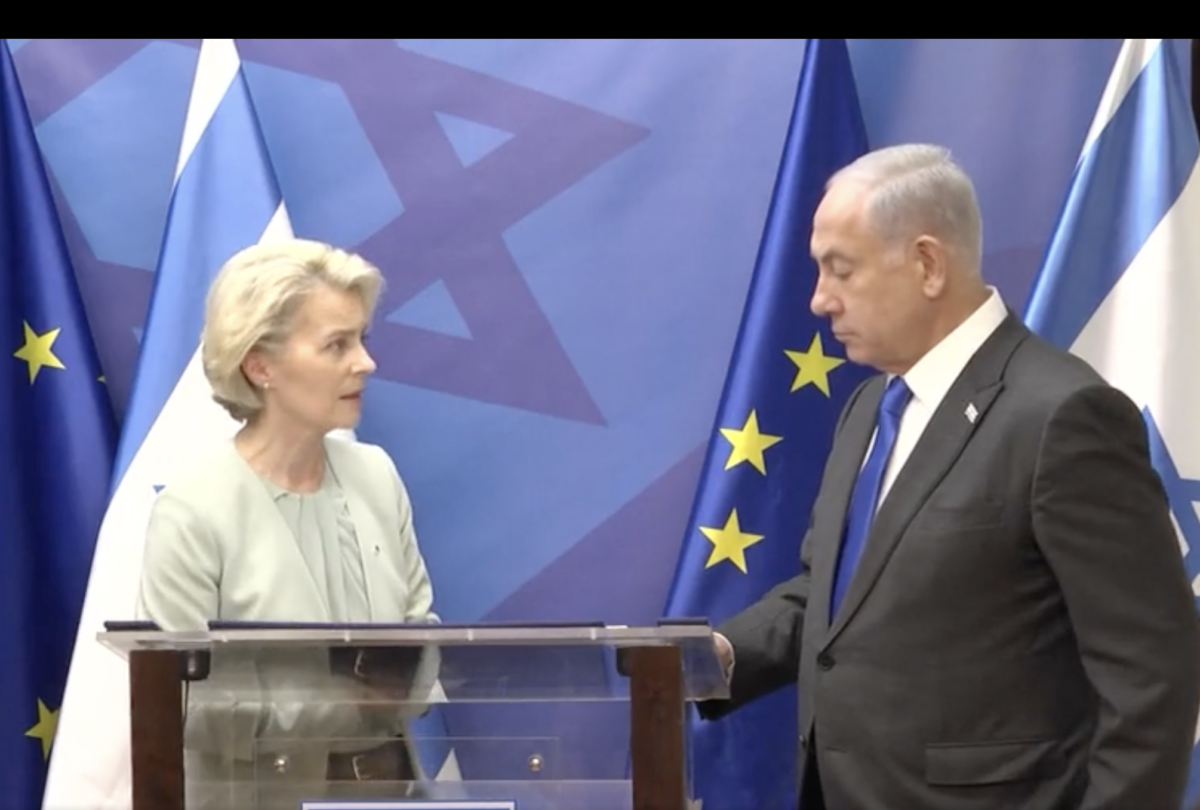
Suspending the Association Agreement with Israel is the only tool left for the European Union. The EU remains Israel’s main trading partner – yet this leverage has rarely been used to apply pressure.
EU foreign affairs chief Kaja Kallas has seemed more concerned with undoing what her predecessor Josep Borrell sought to achieve in the region, than with addressing the catastrophic consequences of allowing Israel to act with impunity.
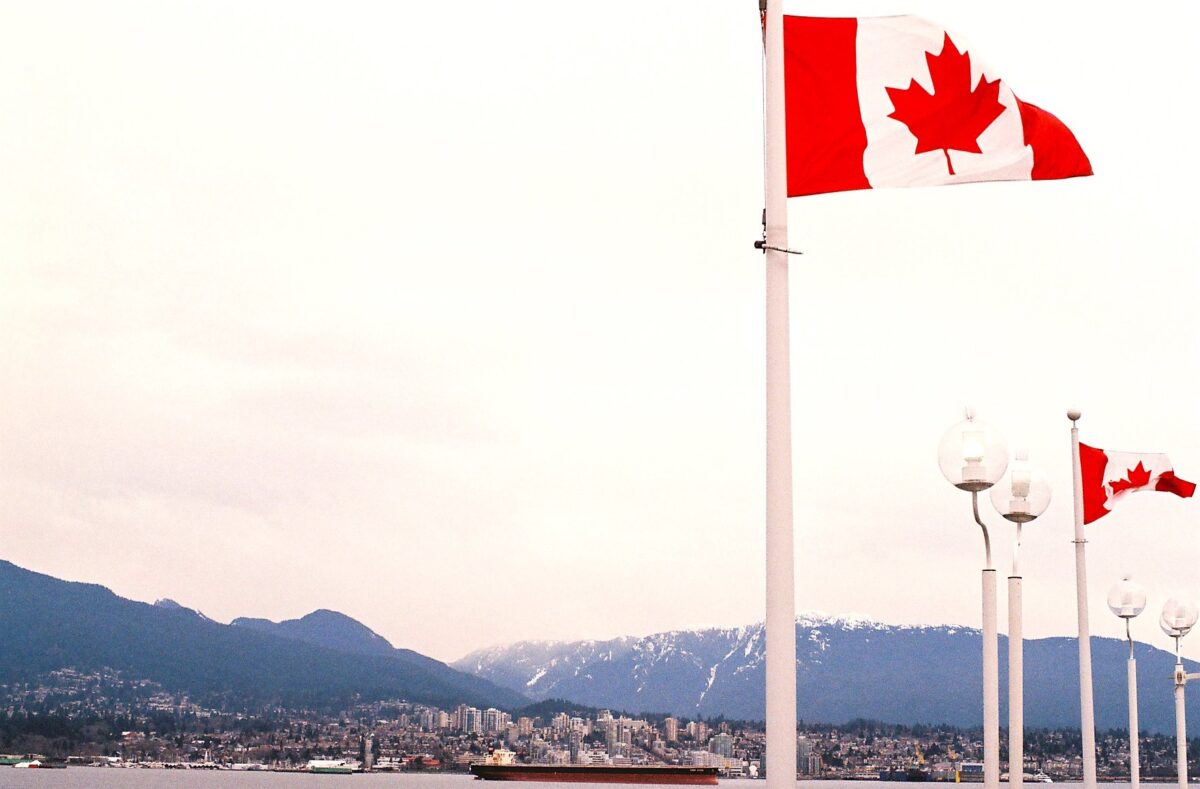
What used to be seen as a half-joking remark is becoming an increasingly serious topic of debate. The Finnish president Alexander Stubb considers Canada a country that could one day become part of the European Union. “I can imagine a much larger EU; whether Canada will be part of it is up to Canada to decide,” Stubb said in Toronto last week.
How realistic would such a move be?

A report from Greenpeace found that 48 percent of the pesticides used in food production in South Africa, Ghana and Kenya are highly-hazardous pesticides and are currently banned in the EU.
“That they’d send five Shaheds to my peaceful family home to kill everyone … was something I couldn’t imagine,” said Ukraine’s electronic warfare guru.
Can we really force platforms to follow our rules? We have powerful legal tools, like the DSA. But it’s also political. It’s part of a broader, complex relationship between Europe and the United States—one that has grown more strained since Donald Trump took office.



Geen opmerkingen:
Een reactie posten