Good morning.
The rapid build-out of wind turbines and solar panels across Europe has driven wholesale electricity prices down by an average of 24 percent over the past two years.
That is the central finding of a analysis published by Positive Money, a Brussels-based advocacy group for financial reform.
Its author, Jordi Schröder Bosch, says accelerating wind and solar is the “low-hanging fruit” for bringing down power prices.
But he warns that gas still sets power prices in many EU markets most of the time, leaving consumers exposed to price shocks that grow more likely the longer the Strait of Hormuz remains closed.
A separate analysis this week by the Centre for Research on Energy and Clean Air (CREA) puts concrete numbers on the gap between gas-reliant countries and cleaner ones.
Consumers in the five 'cleanest-mix' countries — Denmark, Finland, France, Sweden and Slovakia — stand to save up to €8.5bn this year, a full 58 percent more than their counterparts in the five most fossil-dependent countries (Poland, Italy, Greece, Estonia, the Netherlands).
How gas still sets the price
The mechanism at the heart of both studies is Europe's merit-order pricing system, where prices are set by the hour. The most expensive source sets the wholesale price, which is usually gas.
Wind and solar cost almost nothing to run and are called up first. More renewables means fewer gas plants get called up.
On a very sunny afternoon or a windy morning, solar or wind can flood the grid and no gas is needed at all, at which point the link between gas and power prices breaks entirely.
This happens more often in countries with more wind and solar power. And the higher the share, the faster prices fall.
Positive Money's analysis of hourly grid data found that in France, raising renewables from 10 percent to 20 percent of the load cut prices by 16 percent, but going from 25 to 35 percent cut them by 45 percent.
Winners, laggards and outliers
CREA's analysis found that in 2025, electricity was eight percent less sensitive to gas prices than in 2022, which they put down to the EU’s transition towards renewables.
But there are large differences between countries. On average, a €1 per MWh rise in gas prices pushed power prices up by €0.37.
In Sweden, where 99 percent of electricity comes from clean sources, the increase was just €0.04.
Spain and Portugal today are 53-percent less exposed to gas prices than three years ago, driven in large part by a 74 percent surge in solar capacity that now contributes roughly a fifth of total generation, equalling gas.
The Dutch case is different. The Netherlands recorded a 31-percent increase in wind and solar generation, but is more sensitive to gas prices today than in 2022. That is because gas is still the country's biggest centralised power source.
Batteries - the road to decoupling
The Positive Money analysis identifies battery storage as the next step in decoupling Europe’s power markets from gas.
It is generally true that more windmills and solar panels push down power prices. But because they all produce power when its sunny or windy, supply increasingly exceeds demand and goes unused.
Batteries can absorb that surplus and release it in the evenings, lowering prices in the hours gas still dominates today, enabling still more renewables, driving prices down further.
This is already happening: the countries examined currently have 9.3 gigawatts of installed battery capacity, with a further 44.8 gigawatts in the pipeline.
The wider price swings created by a high renewable share make battery investment increasingly attractive (using cheap day-time power later), which in turn makes electric vehicles and heat pumps more attractive.
The prize of electrification and more renewables enables not just cheaper bills in normal times, but insulation from shocks like the current one.
CREA estimates the bloc will save €5.8bn in 2026 simply from clean capacity displacing gas across the year.
Wester van Gaal – economy editor
What else you need to know
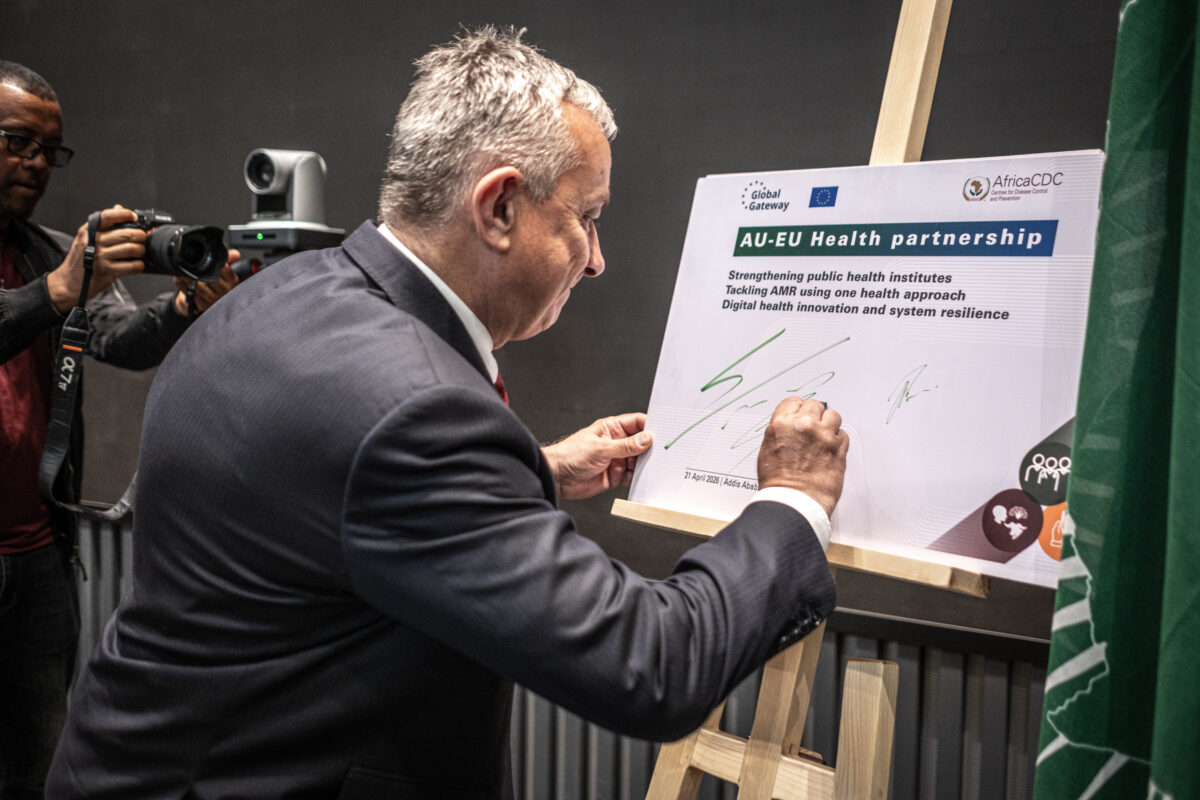
The EU Commission wants to use its Global Gateway investment programme to finance healthcare projects across Africa, but sharp drops in aid budgets risk leaving millions to die.
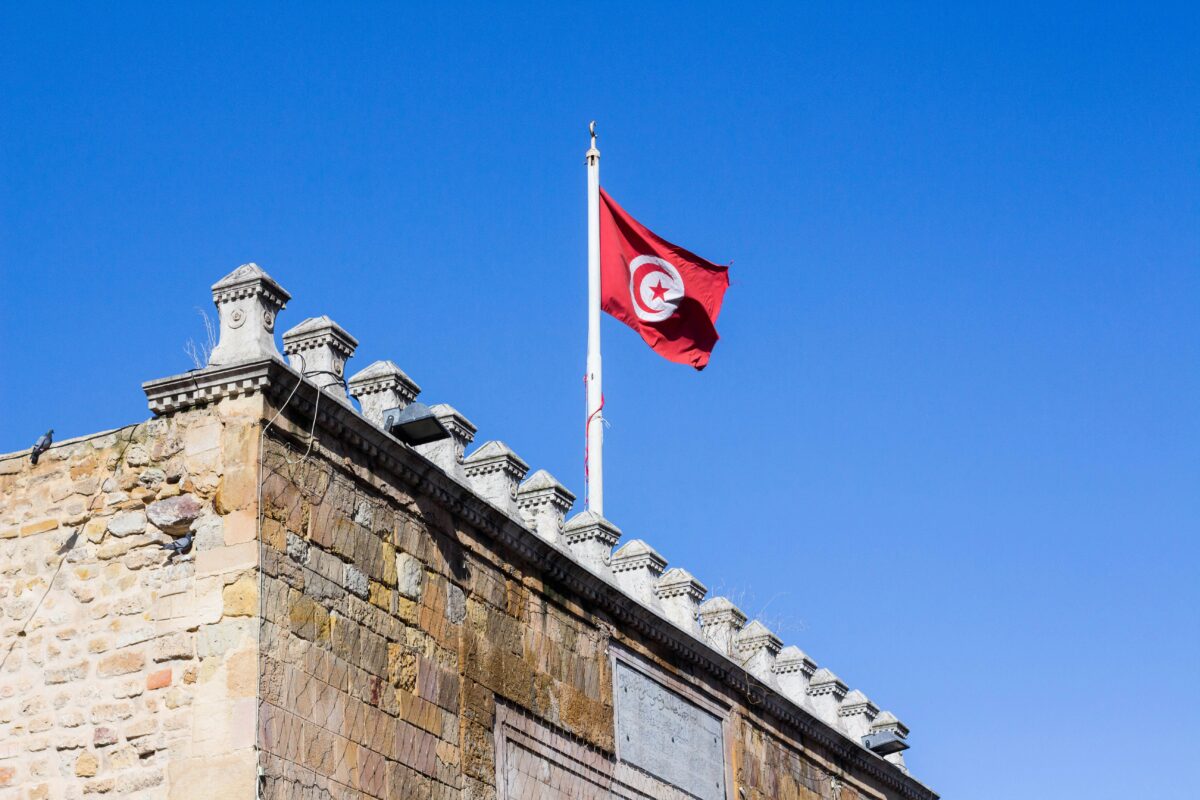
Rose Tchapet Souchtoua, a 39-year old from Cameroon, speaking to journalists in Brussels at the European Parliament, said she was raped and sold as a slave to the highest bidder during her detention in Tunisia.
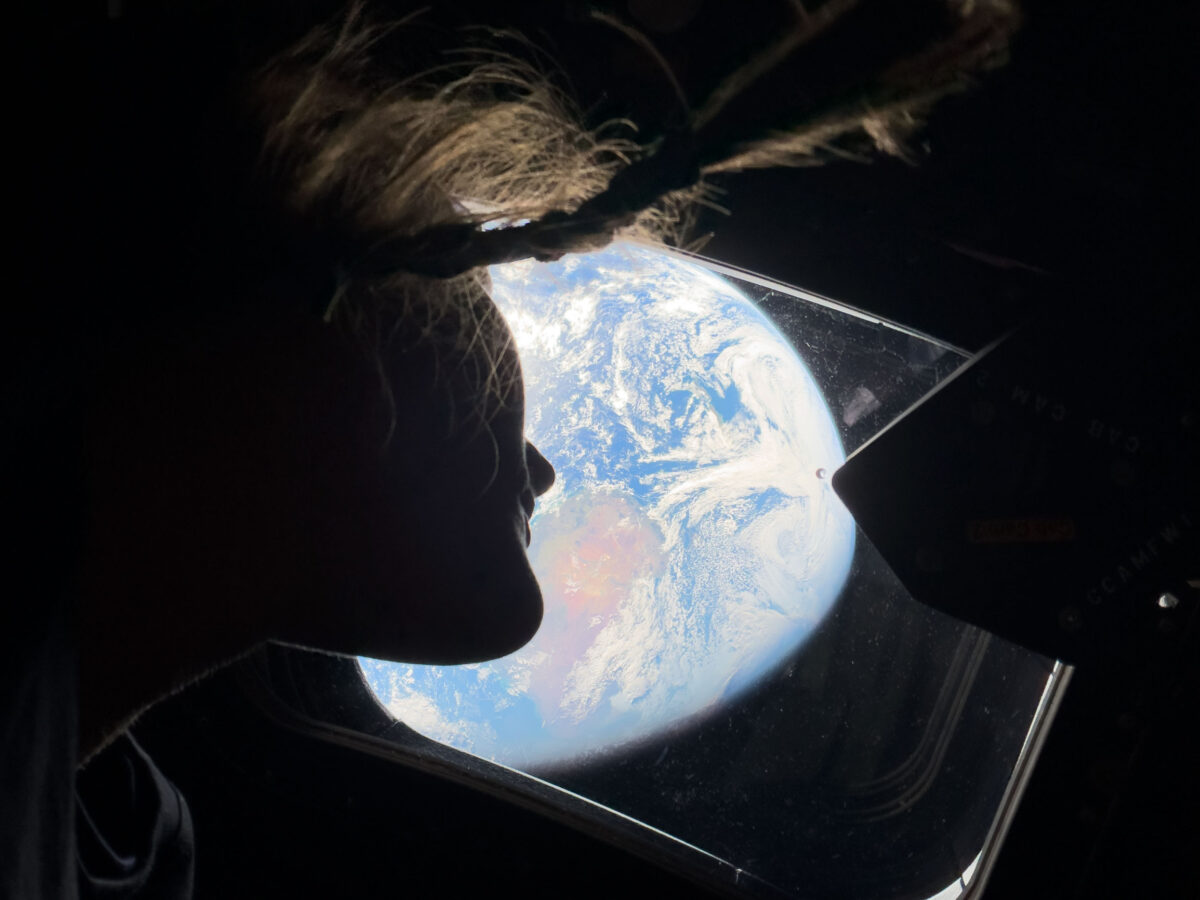
Earth Day has been celebrated since 1970. To mark the occasion, we present 10 charts that show the current condition of humanity’s only home.
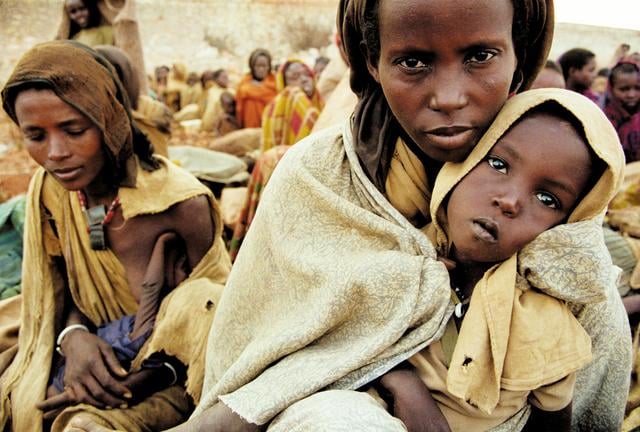
The EU’s bet is on the Global Gateway, a development model focused on generating ‘win-wins’, aimed at fostering economic growth and private sector investments in partner countries, while also bringing direct benefits for European citizens. But the starting point is no longer what works to reduce poverty, but rather what works for Europe and can still be framed as ‘development cooperation’, warns Caritas Europa.
In one axis, the Russian air force dropped 727 various types of guided bombs, but only 419 hit their target.
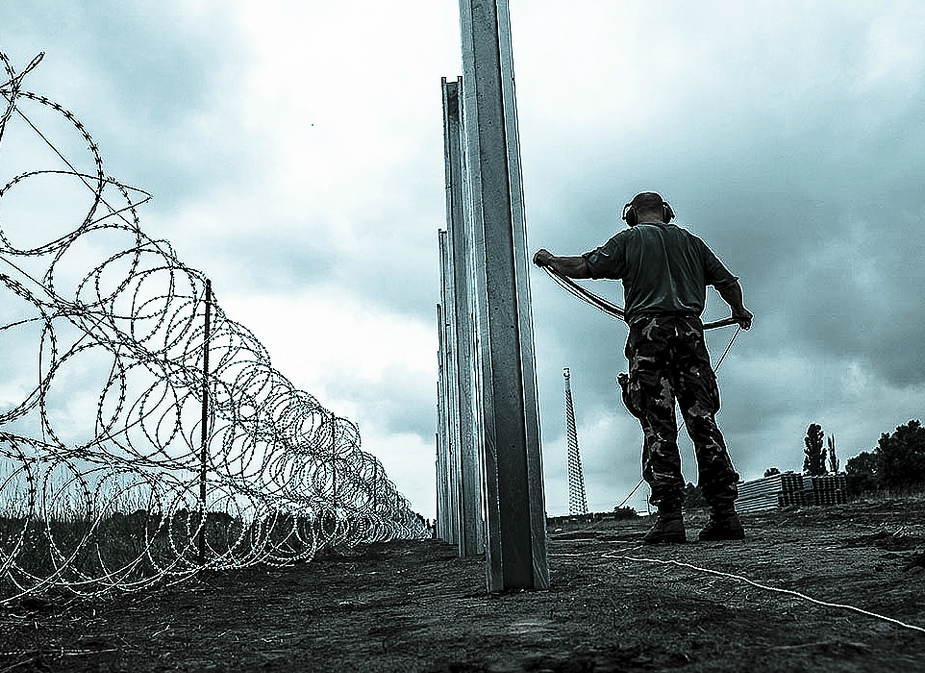
Two years ago, the EU court slapped Budapest with a €200m fine for failing to implement an asylum law, in a case that stems back to 2020 when Hungary was already faulted by the court for forcing people back to Serbia.
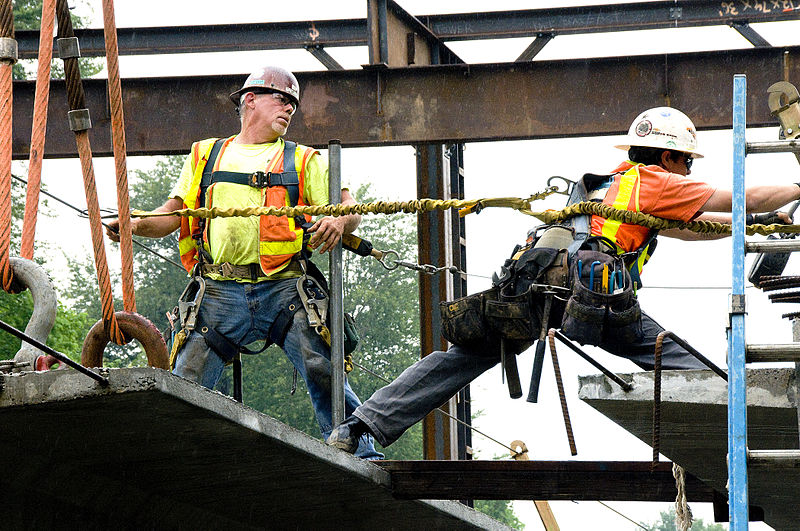
industriAll Europe’s message is clear: public investment must serve the public interest. ‘Made in Europe’ must become a genuine tool for re industrialisation with quality jobs, social cohesion and long term resilience at its core—not a hollow slogan.
Fifteen years after the push for liberalisation began, progress on Europe’s railways is being made — but there’s still a long way to go. Some long-distance train journeys are 26 times more expensive than flying.



Geen opmerkingen:
Een reactie posten