Good morning.
Farewell then, Signal, go-to app for security-conscious EU diplomats, journalists, and activists: You've been compromised one too many times.
The Russians hacked it in Germany, a Reuters investigation said on Saturday. They also did it in the Netherlands, Dutch intelligence said on 9 March, while senior EU officials shut down a Signal group due to hacking fears, said Politico on 1 April.
State-hacking aside, it costs $10,000 (€8,500) to $20,000 to get someone's Signal chat content on the data black-market, depending on the target's seniority, a European intelligence source told EUobserver ($2,000 to 4,000 for WhatsApp).
For $200 to $400 a name you can buy people's travel history, especially if they fly to corrupt bureaucracies, such as Russia or Turkey, where personal data is leaked en masse, a private intelligence sector contact said.
EUobserver saw Russian diplomats' medical records, banking and tax data, traffic violations, and dating website usernames when we investigated alleged Russian spies Belgian and Czech media in 2025.
You can also buy this in Western Europe, but it's more expensive, said a contact in the private intelligence sector. Sometimes, you can follow people's movements with GPS-precision if they ever downloaded other apps, such as the once popular Candy Crush game, on their phones, as this used to update users' location to a cloud.
And there's also in-real-life surveillance for hire, as in the case of a Kazakh refugee in Brussels, who was filmed with HD cameras through her windows, was followed by a car, and her garbage was intercepted.
“The [Belgian] law forbids almost everything we need to do in order to be effective, but everyone does it anyway,” said a Belgian private detective, in a modus operandi typical of the sector in Europe.
And going back to state actors, Israeli spyware, such as Pegasus, which costs $100,000s, has also been used to target enemies of malign EU governments in the past, which makes you all wonder how to hide your secrets these days.
It's a big wrench to communicate with people offline, so unless it's a very special case for which you make a big encryption effort, you just have to assume that everything you write can be compromised if someone targets you, and consider that innocence is the best self-defence in the era of digital panopticons.
Andrew Rettman, foreign-affairs editor
What else you need to know
Estonia’s foreign intelligence service chief Kaupo Rosin reflects on a whole-of-society approach to defence, one unexpected threat to Europe, and what he realised at 16.
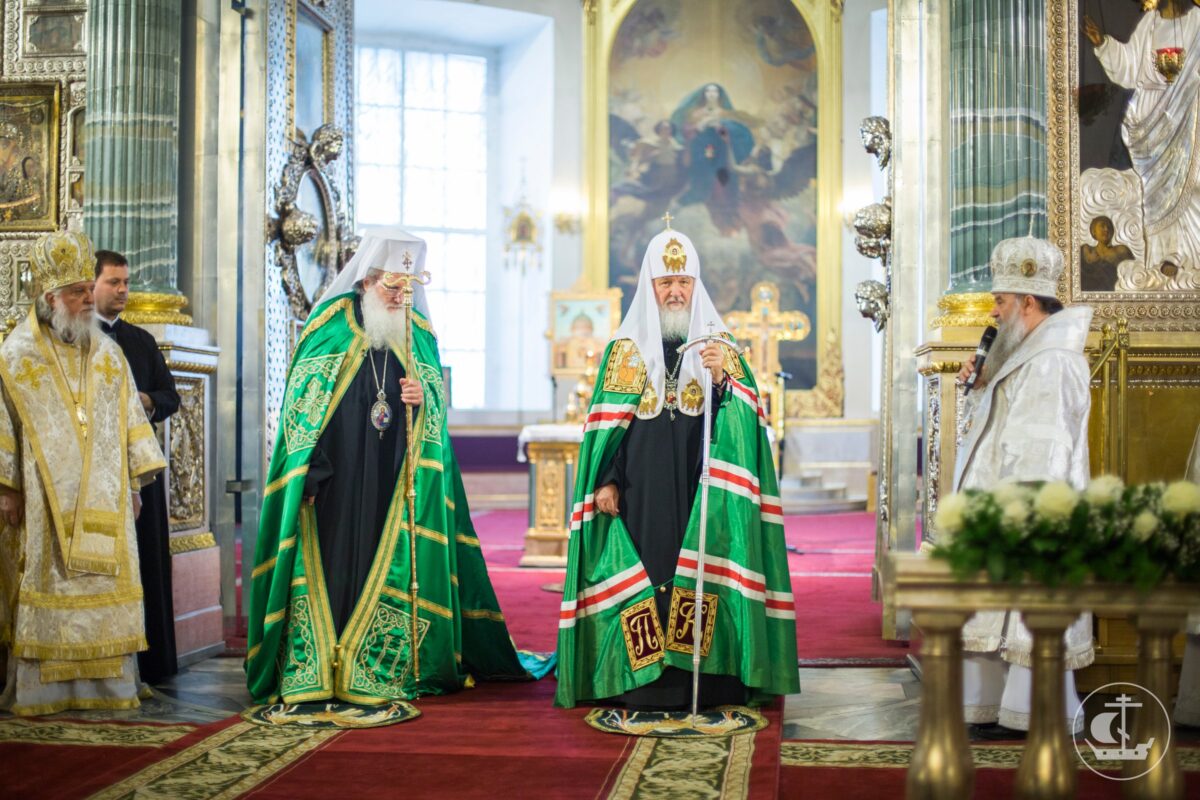
The EU tried to sanction Patriarch Kirill back in 2022, calling him ‘one of the most prominent supporters of the Russian military aggression against Ukraine’. Now Viktor Orbán and his veto is history, religious actors cannot remain immunised from consequences merely by virtue of hiding behind the veil of religion.
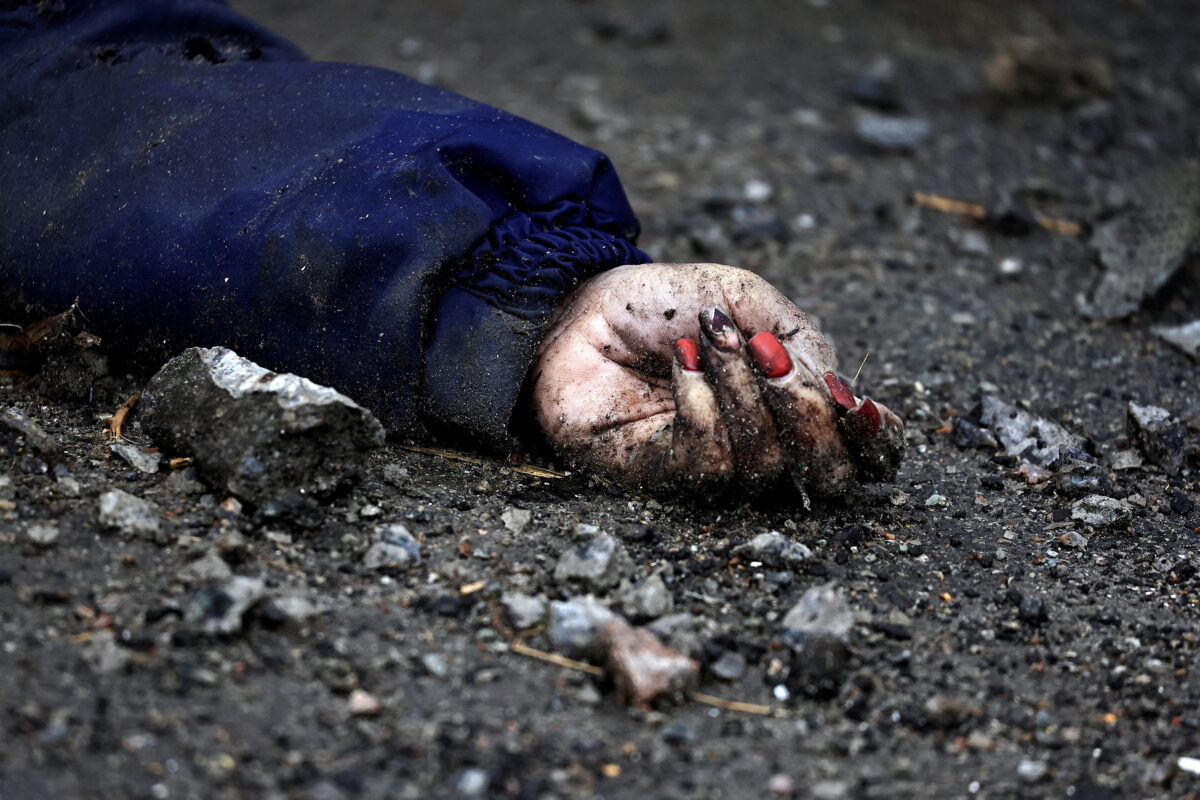
“Like it or not, suffer it, my beauty”, joked Vladimir Putin about Ukraine, using a necrophiliac rape lyric, which prefigured war crimes, as Russian culture also seduced Western macho men.
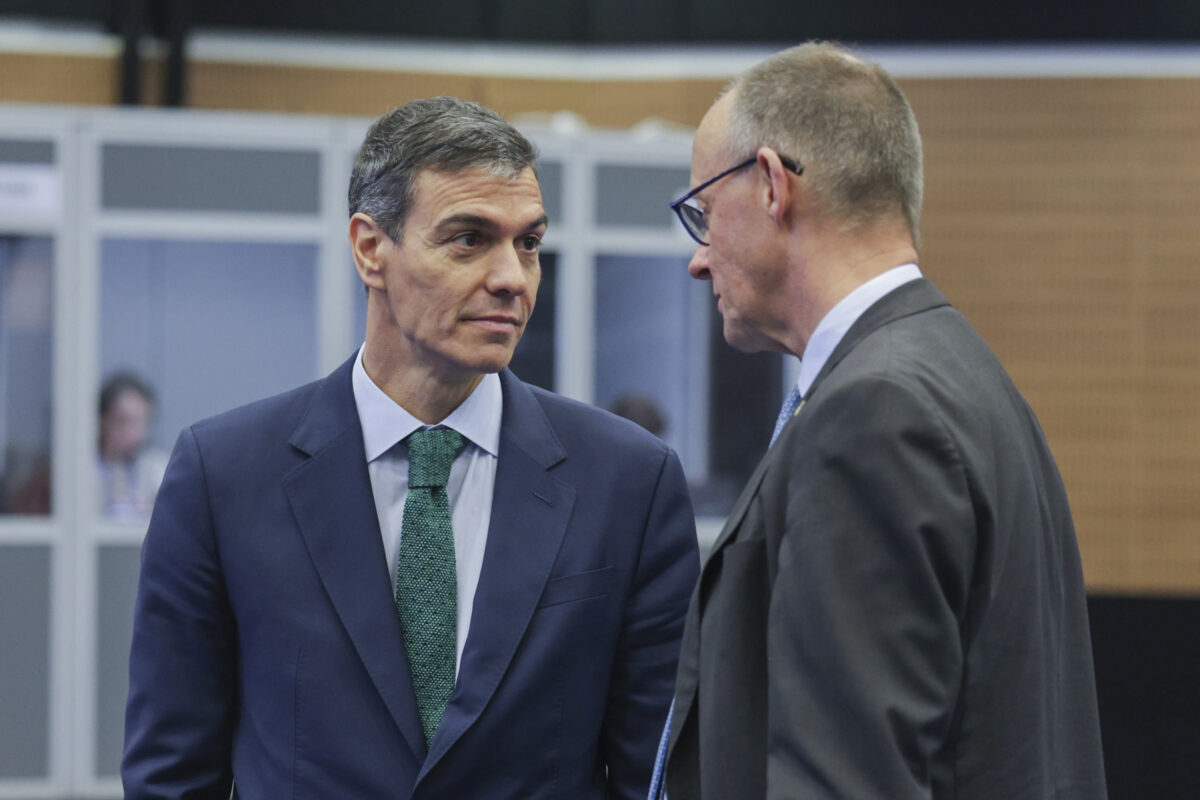
“We don’t discuss internal issues of Nato”, said the EU’s Costa in Cyprus on US threat to Spain, as most EU leaders also ignored Trump ‘squeaky toy’ Pentagon memo.
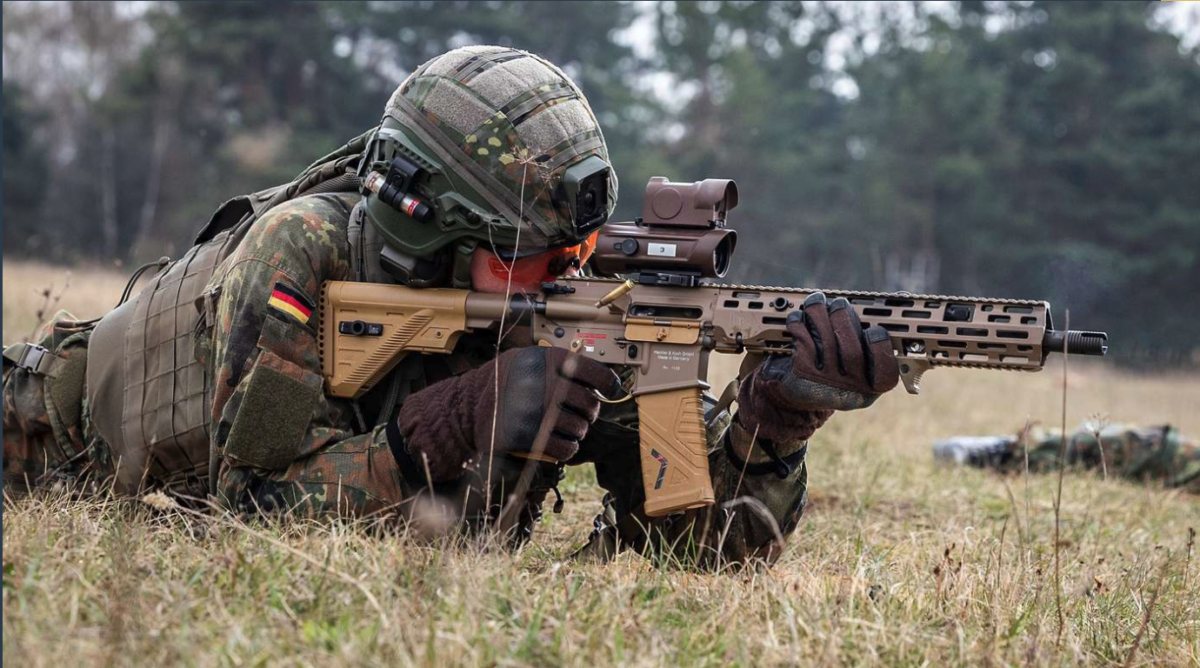
Responsibility for Europe reads differently from Bratislava than from Brussels. The new German defence strategy is worth reading carefully, particularly from the capitals whose security still depends on German territory. Responsibility for Europe will be defined in the next decade by what Berlin does if Washington no longer underwrites European defence at previous levels. Germany has now stated, in writing, that this is the planning horizon.
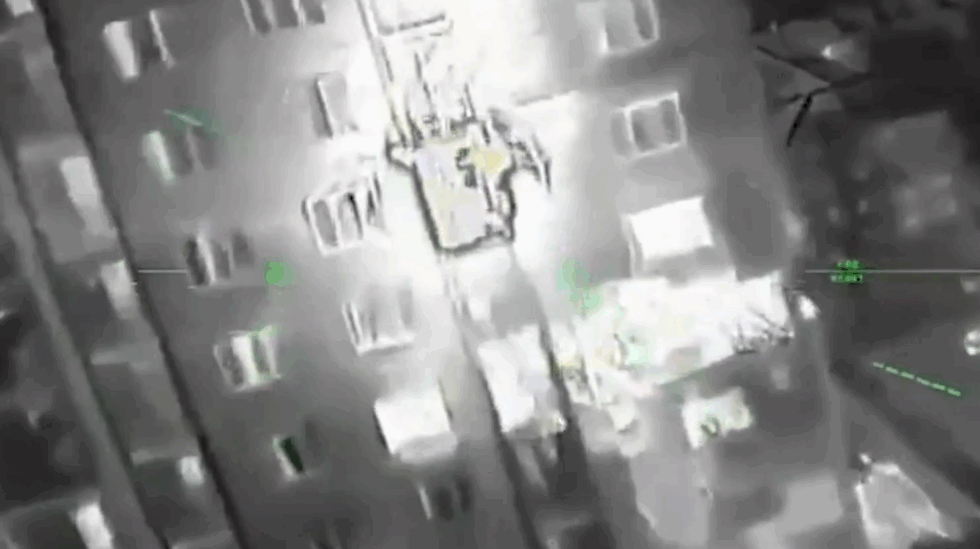
Ukrainian forces carried out a high-precision operation in occupied Donetsk, utilizing a “train” of eight drones to strike an apartment allegedly housing 12 FSB officers. While the front remains largely static, Ukrainian defenders in Kostyantynivka are facing a critical shortage of personnel. Recent battlefield footage highlights these dynamics.
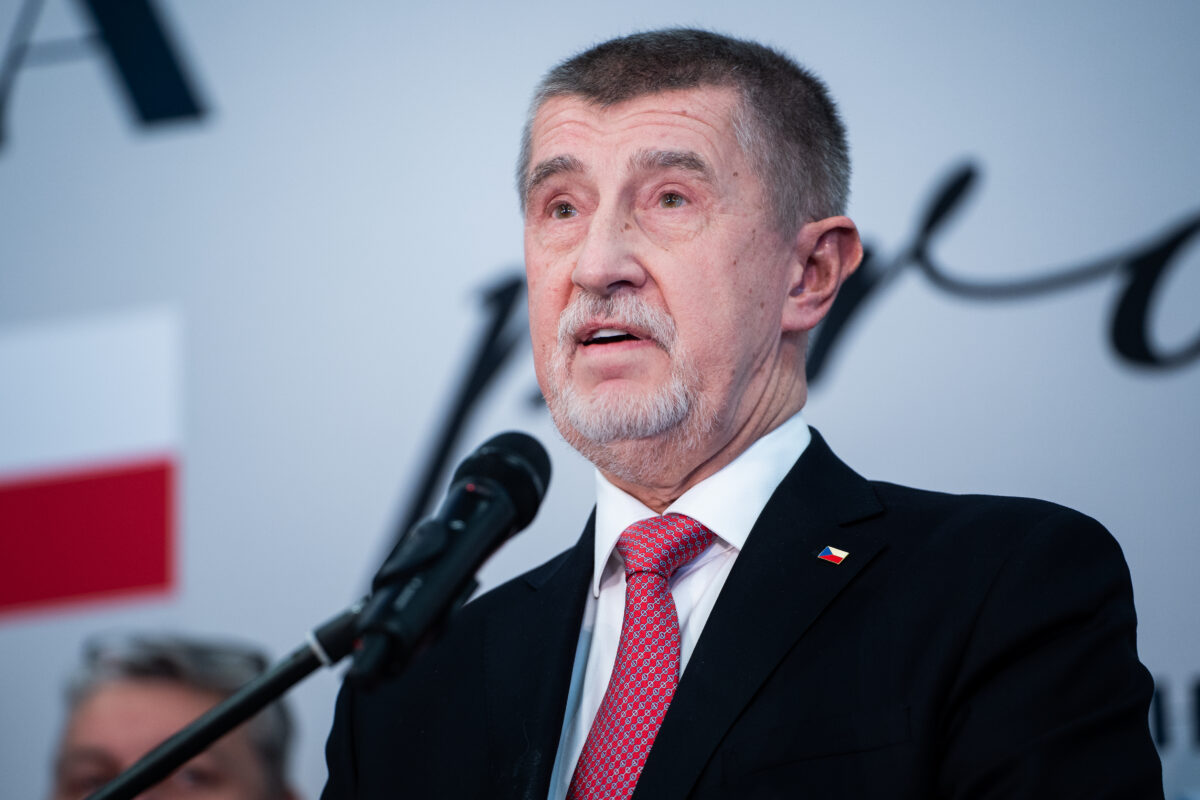
In a strategic about-face, the Czech Republic is looking to join French President Emmanuel Macron’s initiative to build a pan-European nuclear deterrent.
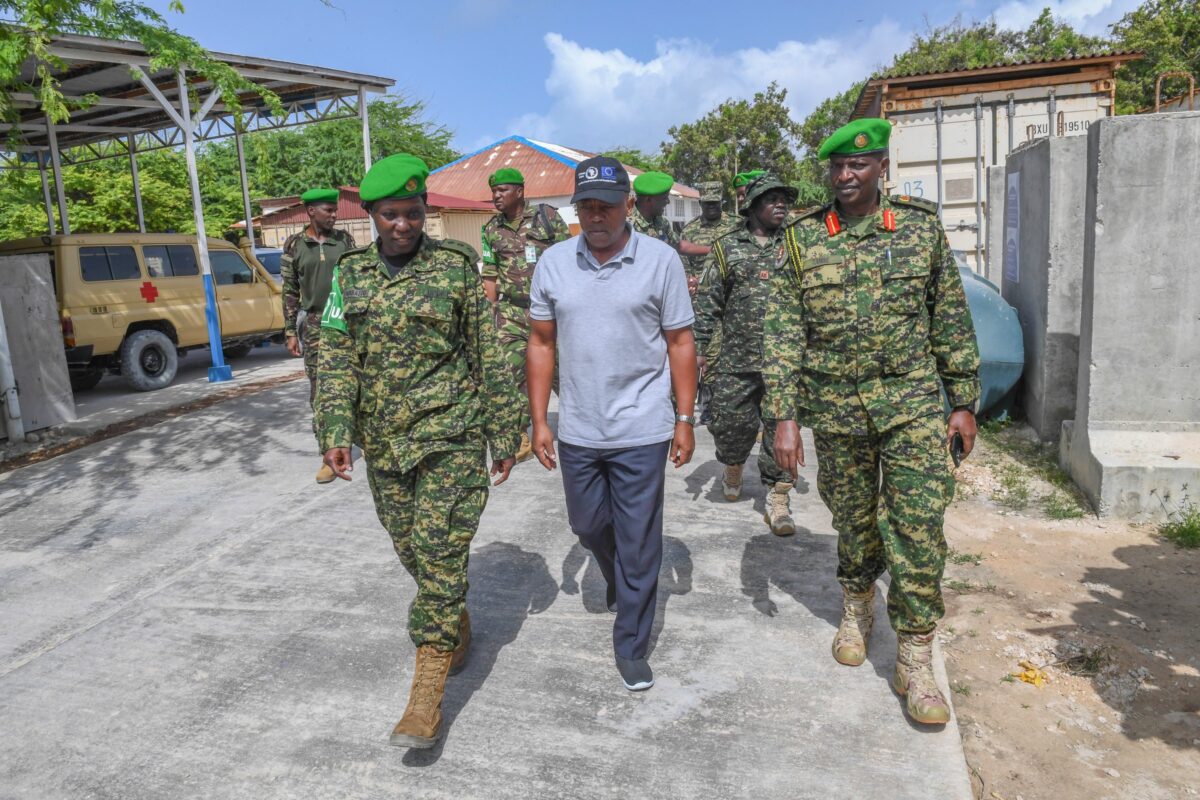
A new €75m contribution from the EU to an anti- Al Shabaab mission in Somalia takes the bloc’s total funding to €2.8bn.
The EU has relaunched contact with Syria after years of frozen relations.
But what does it mean for Syrians in Europe?
One nuclear expert told me he didn’t want to write an op-ed on the possible dangers of a meltdown of the Zaporizhzhia nuclear plant in Ukraine. He then added he’d stocked up on iodine tablets.


Geen opmerkingen:
Een reactie posten