Good morning.
Yet another Sino-Brussels trade dispute is on the horizon, after the Chinese government warned that it would impose new ‘countermeasures’ if the EU does not back down over its plans to create incentives for businesses and consumers to ‘buy European’.
The row – the latest in a series of sectoral disputes between Beijing and Brussels over the past three years – centres on the ‘Made in Europe’ rules tabled by the EU Commission in March as part of its Industrial Accelerator Act. These require firms to meet minimum thresholds for EU-parts if they want to be able to access public money in strategic sectors, including cars, green tech and steel.
The provision, which is part of the Industrial Accelerator Act tabled by the EU Commission in March, implicitly targets Chinese electric batteries and vehicle manufacturers by requiring them and other foreign firms to partner with European firms and pass on technological know-how when setting up shop in the bloc.
The commission has long been frustrated by China’s subsidies and ‘behind-border tariffs’ that make it hard for foreign firms to access its market.
In response, Beijing says that it has raised concerns with the EU that this amounts to "systemic discrimination". The EU could retort that the technology transfer rule it is now suggesting is simply a mirror image of what China already demands.
"If the EU... presses ahead with the legislation, and thereby harms the interests of Chinese companies, China will have no choice but to take countermeasures to firmly safeguard the legitimate rights and interests of its enterprises," the Chinese commerce ministry added in a statement.
In recent years, China has sought to position itself publicly as a beacon of free trade promotion. In reality, its own rules on technology transfer, restrictions on rare earths exports and blocks on European firms hoping to compete for public procurement tenders – to name but a few – are deeply protectionist and have caused deep frustration among EU officials.
China’s trade surplus with the EU amounted to €360bn and is expanding rapidly.
A commission spokesperson told reporters on Monday (27 April) that part of the rationale for the Industrial Accelerator was to reduce the bloc’s dependencies on other countries.
But she implied that in protecting its industries the commission was only doing what China does.
“We are one of the most open economies in the world...and we expect that openness to be mutual,” she said.
The commission also thinks of itself as a champion of free trade. But its patience is running thin.
In February, trade commissioner Maros Sefcovic said that the EU wanted to reopen the Most Favoured Nation (MFN) principle at the World Trade Organisation. MFN enshrines the principle of equal treatment in trade.
Publicly, commission officials insist that the EU executive still strives to ensure that its laws are fully in line with its WTO commitments and that the ‘Made in Europe’ principle does not breach the WTO’s MFN rules.
Whether that argument would stand up in court is unclear. What is clear, however, is that the embrace of protectionism by the world’s biggest economic actors is no flash in the pan.
Ben Fox, trade and geopolitics editor
What else you need to know

The EU commission confirmed that it would publish a review of the law this week, but refused to be drawn on what it might recommend. However, officials have indicated that they will use the review to propose targeted tweaks to simplify implementation and adjust the list of products covered by the regulation.

The Ukrainian General Staff replaced the commanders of the 14th Separate Mechanized Brigade and the 10th Army Corps following reports of severe supply failures.
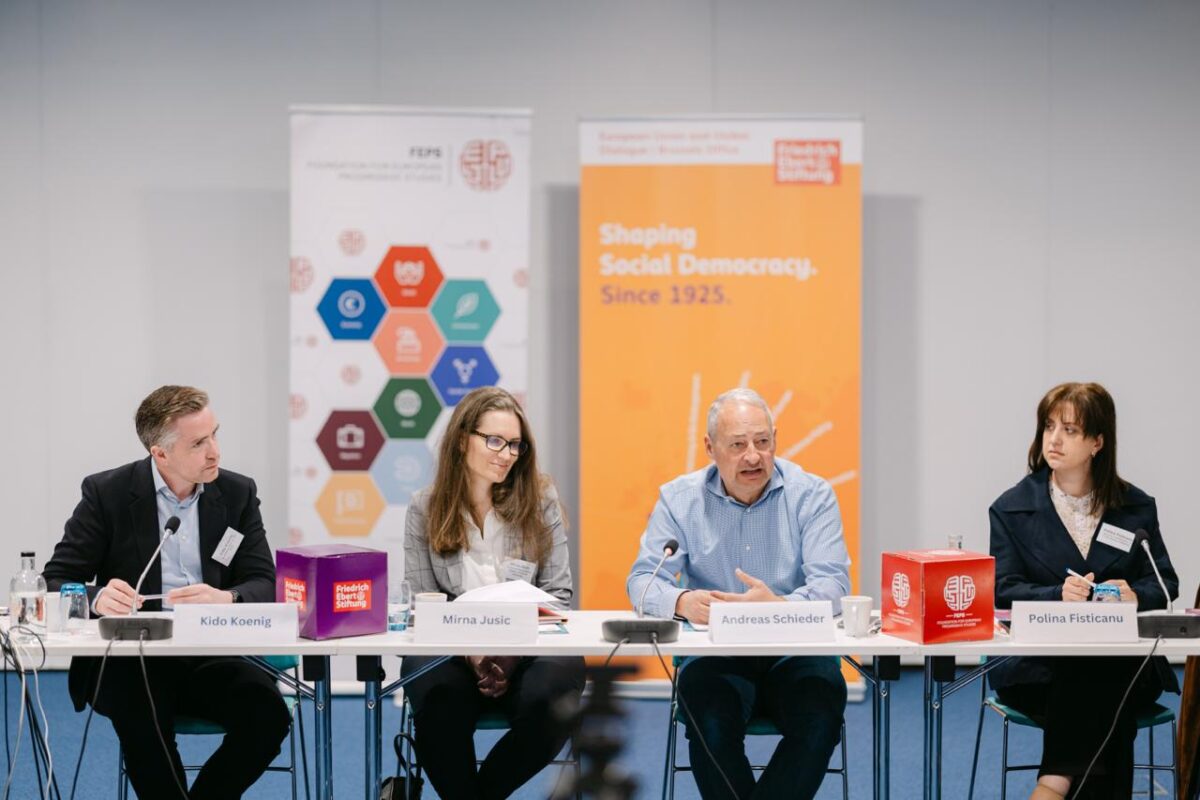
The EU’s enlargement criteria have long prioritised economic reform, rule of law and anti-corruption over social protection measures. A new study looks at what this means in practice for the western Balkans — and what needs to change.
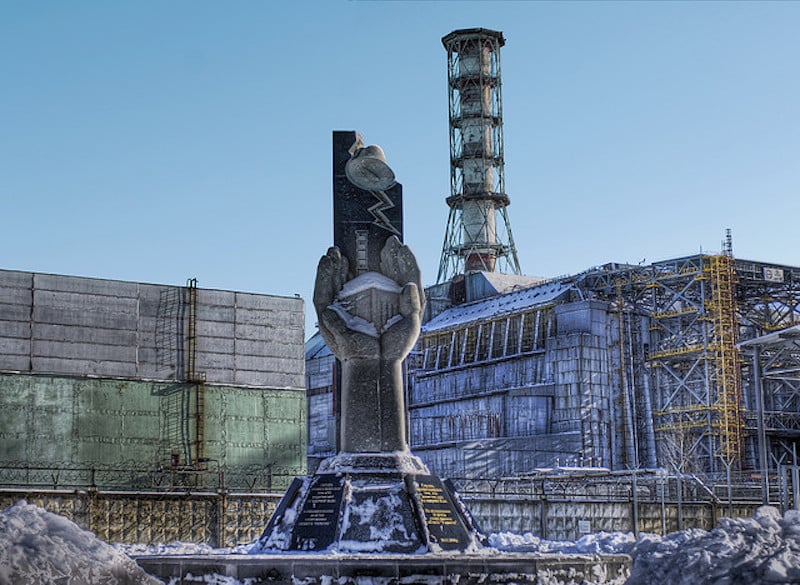
The 40th anniversary of a major nuclear accident is a good opportunity to reflect on whether something similar can happen again today.
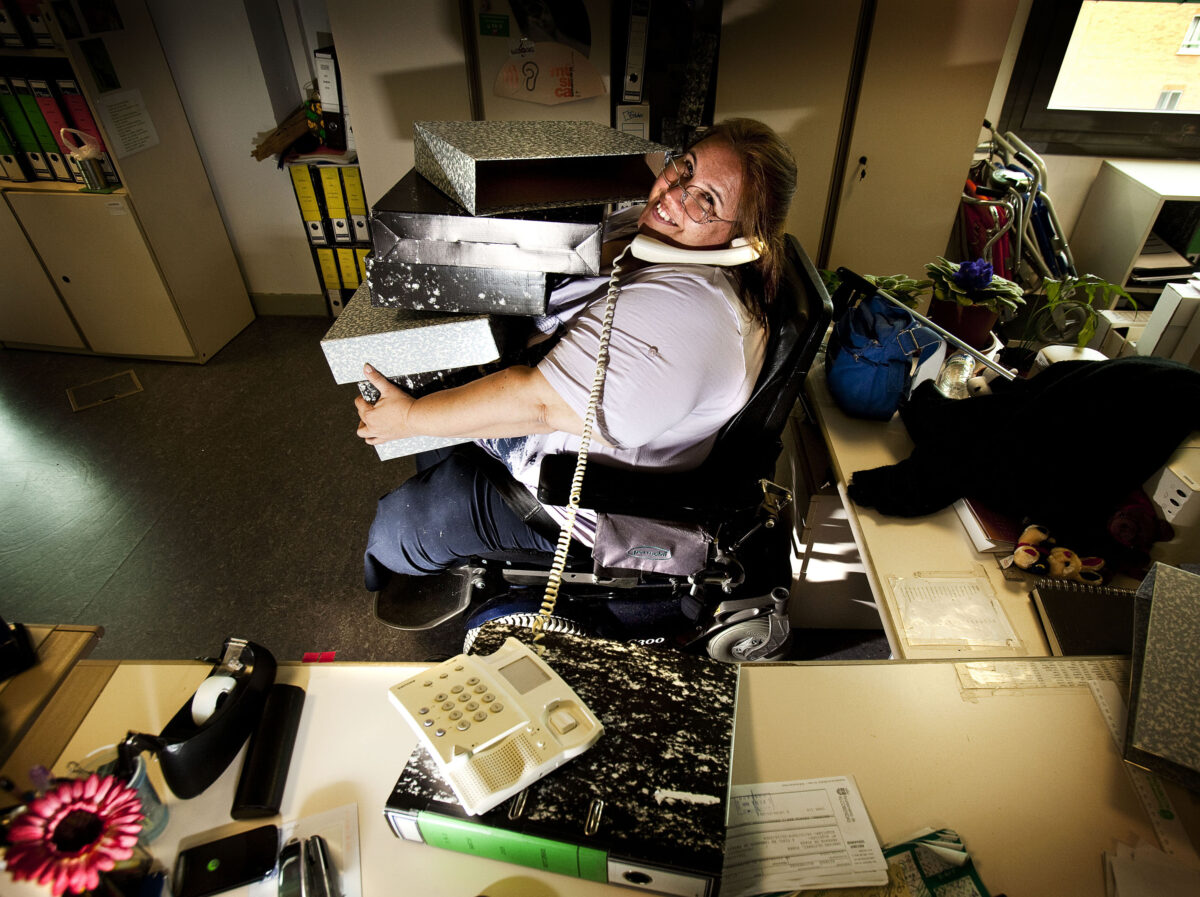
Guaranteeing persons with disabilities to have support in society, good education, a job and access to all areas, versus just supporting actions that segregate and make us invisible. That is what is at stake in the negotiations for the next EU budget, and we are not off to a good start.

Europe’s far-right has mastered the language of war but abandoned the reality of defence. While populists preach sovereignty, their voters refuse to serve. This ‘peace through weakness’ is a dangerous delusion that leaves the continent vulnerable. It is time to call their bluff.
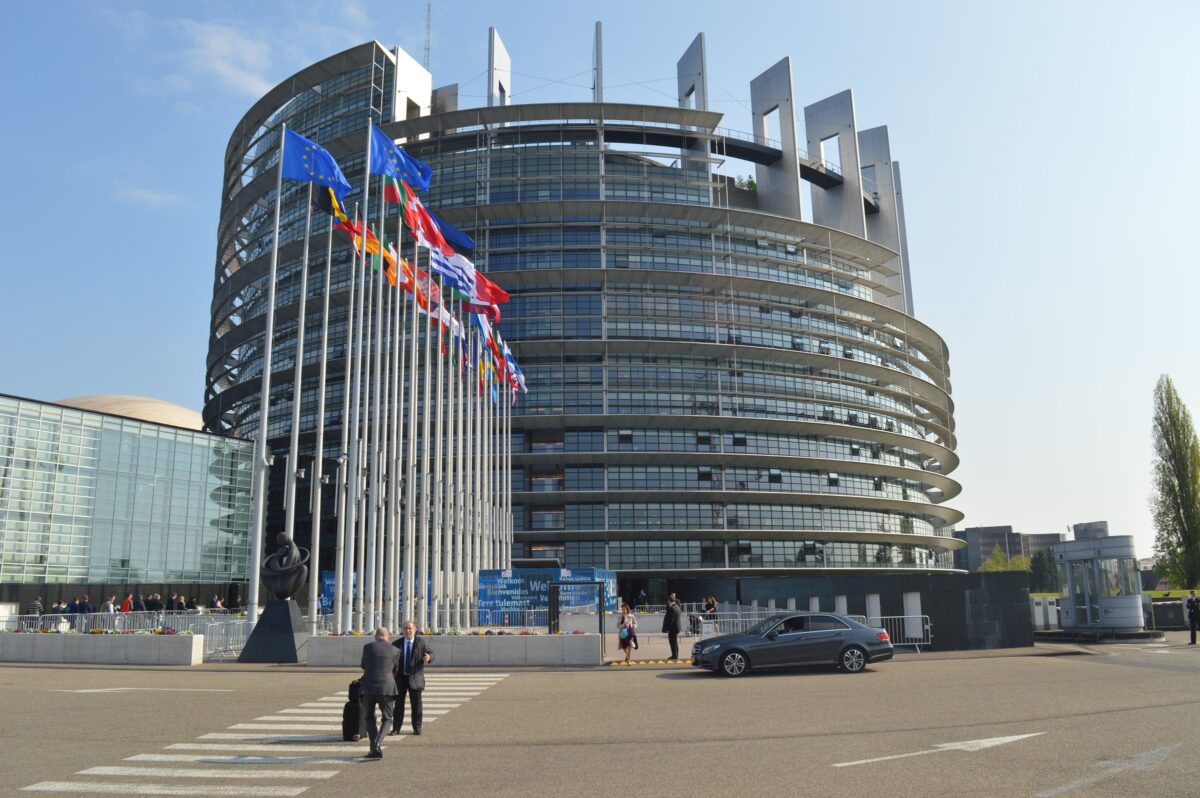
MEPs vote on their position on the 2028–2034 EU budget. The ECB and Federal Reserve are likely to hold rates steady amid rising inflation. Key debates in the EU Parliament include a common legal definition of rape and the impacts of the war in the Middle East, alongside a fossil-fuel transition summit in Colombia.
It costs $10,000 to $20,000 to get someone’s Signal chat content on the data black-market, depending on the target’s seniority, a European intelligence source said.



Geen opmerkingen:
Een reactie posten