SPREAD THE INFORMATION

Any information or special reports about various countries may be published with photos/videos on the world blog with bold legit source. All languages ​​are welcome. Mail to lucschrijvers@hotmail.com.

Together, we can turn words into action. If you believe in independent voices and meaningful impact

Search for an article in this Worldwide information blog

donderdag 9 april 2026

WORLD WORLDWIDE EUROPE EU - euobserver daily newsupdate - Thursday 9 April 2026.


Good morning.

In a revealing alignment, the White House and the Kremlin both have found common ground in Budapest.

Following US vice-president JD Vance’s arrival in Hungary to slam "EU bureaucrats" for interfering in Sunday’s (12 April) crucial election, Moscow was quick to echo the MAGA rhetoric — portraying Hungarian prime minister Viktor Orbán as the victim.

And while Europe initially stayed silent on the 'foreign interference' accusations, several officials eventually pushed back at the sheer irony of the situation.

Kremlin spokesperson Dmitry Peskov said on Wednesday that many in Europe would like to see Orbán fall this weekend. 

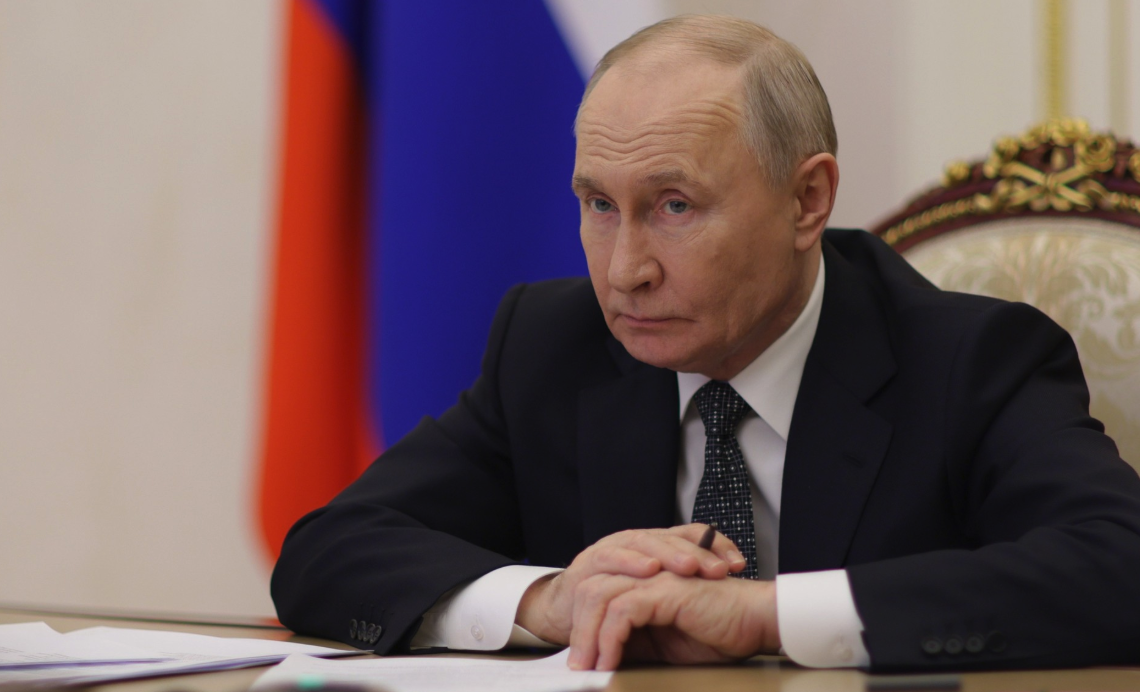
“This is well known, it’s obvious to the naked eye, and, of course, they’re playing into the hands of those forces that politically oppose Orbán and believe that publishing such materials could harm him,” Peskov said, when asked about leaked transcripts of a phone call between Orbán and Vladimir Putin last year, now reported by Bloomberg

Meanwhile, Vance redoubled his interference accusations on Wednesday, saying: "The fact that so many foreign actors, whether they’re transnational organisations like the bureaucrats in Brussels or whether it’s foreign governments, are literally threatening the Hungarian people to vote this way or we’re going to exact our revenge on you — that should make you very angry.”

He admitted that his presence in Budapest just days before the polls was “unprecedented”. But in the MAGA world, there is always a way to justify the extraordinary. 

“We thought there were so much garbage happening against Viktor in this election, that we had to show that there are actually a lot of people and a lot of friends across the world who recognise that Viktor and his government are doing a good job,” Vance said, effectively turning his visit into a full-on campaign event and show of loyalty to fellow nationalist-conservative Orbán.

Meanwhile, both the EU and German officials hit back at the interference accusations when pressed by journalists. 

The fact ‌that Vance is ⁠in Hungary “already shows, or speaks for itself, who is interfering in ‌what", said a German government ‌spokesperson.

Attempting to reclaim the narrative and mocking Vance’s wording, one commission spokesperson said: “What the 'European bureaucrats' have been doing is [trying] to set out a strong framework to make sure that the elections remain in the hands of our citizens”. 

He was referring to new EU digital rules that aim to hold online platforms accountable for their content and algorithms. “Thanks to this, election interference is hardly possible by online platforms in Europe,” he claimed.

“We also have our diplomatic channels and we will be using these also to convey our concerns to our US counterparts,” another commission spokesperson said.

But when pressed further on the nature of such concerns, the official said the EU was “not in the business of disclosing what we talk about with our partners.”

“We have appropriate channels, appropriate frameworks, diplomatic contacts, [and] the joint statement. That is a framework in which we discuss matters of relevance with our partners. And that is where we will be bringing the discussions with the United States if they consider it something worthwhile pursuing with us,” a third spokesperson said.

This 'art of not answering' is not merely a PR tactic, but a de facto survival strategy, designed to prevent further deterioration in transatlantic relations. We saw it with Gaza, Greenland and the threat of a global trade war.

And while the EU might have all the rules in place, the populists have the microphone.

If the EU cannot defend its own democratic processes against external interference or call it out for fear of upsetting its "partners," then the promise of a"sovereign Europe" is little more than noise.

For Orbán, meanwhile, this seems like the ultimate campaign gift.

It allows him to present himself to Hungarians as backed by the world’s two superpowers, with his coalition of “peace” as the centrepiece of his campaign.

Elena Sánchez NicolásEditor in Chief

Top story

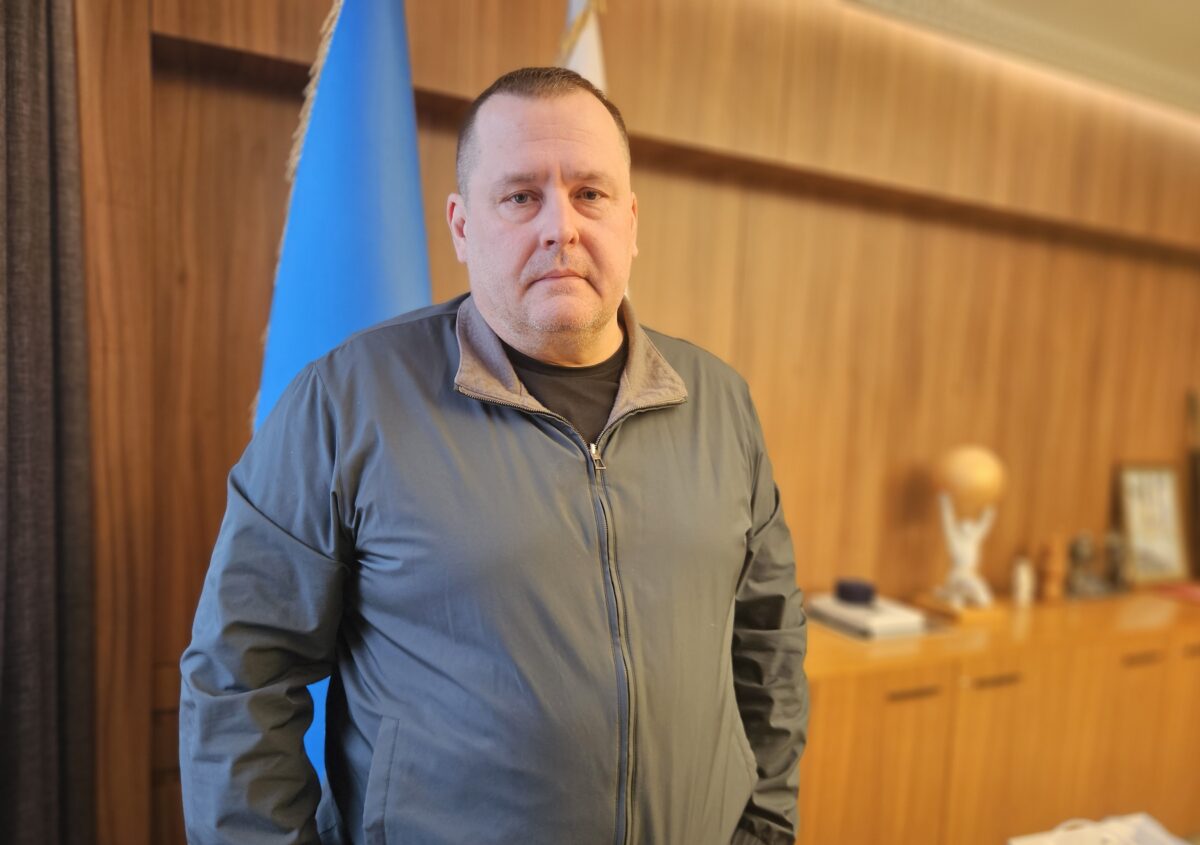
100km from frontline, Ukraine mayor frets over Hungary’s election

“[Viktor Orbán] is deliberately looking for enemies in Ukraine, but Ukraine has never been an enemy to Hungary,” says Borys Filatov, the 54-year-old mayor of Dnipro, a. major industrial city some 100km from the war’s frontline.

What else you need to know

Lick up, kick down: A psychiatrist’s view of how Orbán created a sick society

Psychiatrist and writer Péter Hunčík argues that Viktor Orbán has transformed Hungary not only politically but psychologically, replacing civic autonomy with tribal loyalty, diffuse anxiety and a rewritten moral order. In this interview, he traces how power, myth, religion and fear have been used to remake both the state and society.

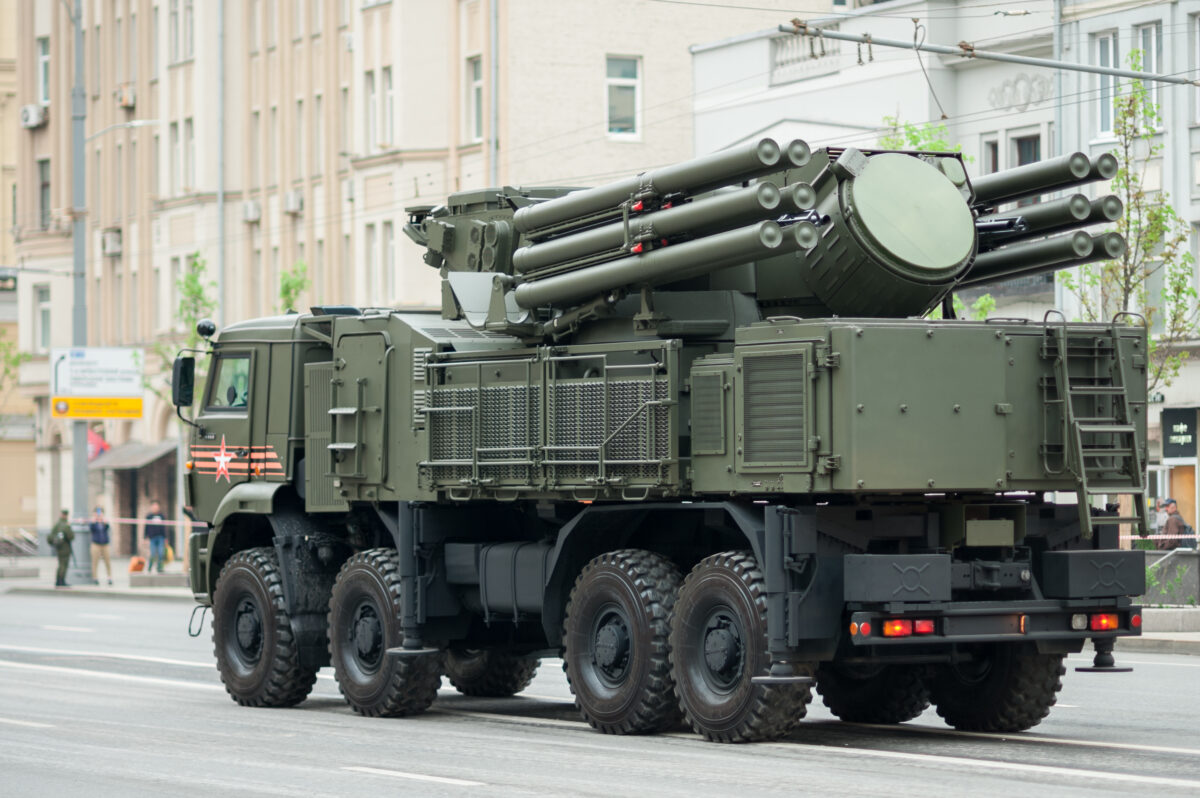
Russia reports shortages of surface-to-air missiles (Ukraine Battlefield update, Day 1,504)

Pantsir systems use rapid-fire guns as well as rockets to shoot down targets – but one video shows a system taken out by a small Ukrainian drone.

EU: energy crisis ‘will not be short-lived’ despite Iran-US ceasefire

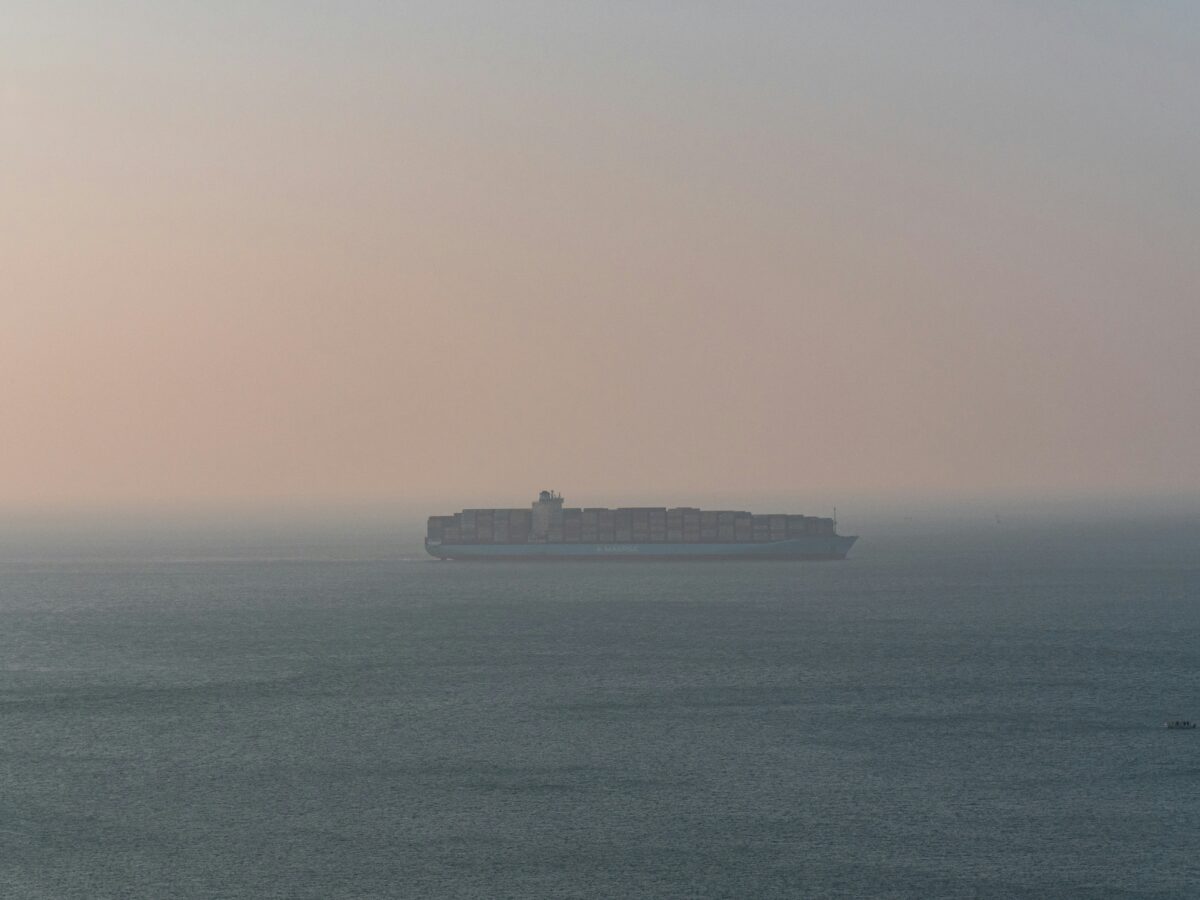
While Europe is less dependent on oil and gas coming from the gulf than Asia, 40 percent of refined products, such as jet fuel and diesel, pass through the Straight of Hormuz. 

Ukraine torches Putin’s Iran war windfall, as EU allies sweat over high energy prices

Higher oil prices triggered by the war in Iran have boosted Russia’s finances. But now Russia is banning gasoline exports until late July, as Ukrainian strikes make fuel scarcer domestically – while murmurs in the EU suggest energy pain may drive them back to Russia. The question is: how long Kyiv’s allies will support a strategy that could also keep EU energy prices high? 

'Buy European' is meaningless when it comes to tech's software dependency

European digital assets have a habit of not staying European. A ‘Buy European’ label is not a sovereignty guarantee unless it embraces licensing as a tool and helps to safeguard the supply chains the software depends on.

EU fiscal models degrade strong case for clean energy

Every euro spent by national governments is treated by commission as generating just €0.60 of economic activity no matter where it goes. Grid investment, education, tax cuts for the wealthy: all are logged as a net loss. 

Listen: Could the EU tax windfall profits made by oil and gas companies?

This podcast episode explores taxing the “windfall profits” of oil and gas companies to offset skyrocketing energy prices. While five EU nations urge a new tax mechanism, previous attempts collected only €28m — far below the €190bn spent on subsidies. Ultimately, do taxes serve as a vital political signal for fairness?

Yesterday's Most Read

Europe’s future after Trump leaves Nato

In less than three months’ time, Nato delegations will be packing for the alliance’s summit in Ankara. The agenda is empty, and the attendance of the most important guest, US president Donald Trump, is unclear. European allies will have time aplenty to ponder their alarmingly short list of security options, writes Edward Lucas.

How the Serbian government is exploiting a tragedy against universities and protesting students

The suspicious death of a Belgrade student has intensified tensions in Serbia. The government is using the tragedy to blame university leaders for being in favour of students’ anti-government protests, and justify raids. Critics and academics view these actions as a “shameless” attempt to dismantle university autonomy and silence the ongoing anti-government student movement.

Dollar stablecoins versus a retail digital euro? They are different – not rivals

When Meta announced its Libra/Diem project in 2019, central banks worldwide were confronted with an uncomfortable question: could a private technology corporation issue money at global scale and thereby erode their monopoly over monetary control?
The response was swift. What began as a defensive reflex had become a genuine policy agenda.

Geen opmerkingen:

Een reactie posten